SALLY LANAUZE
Writer: Carly Thomas
Photography & Videography: Francine Boer
Producer: Francine Boer
This story is supported by
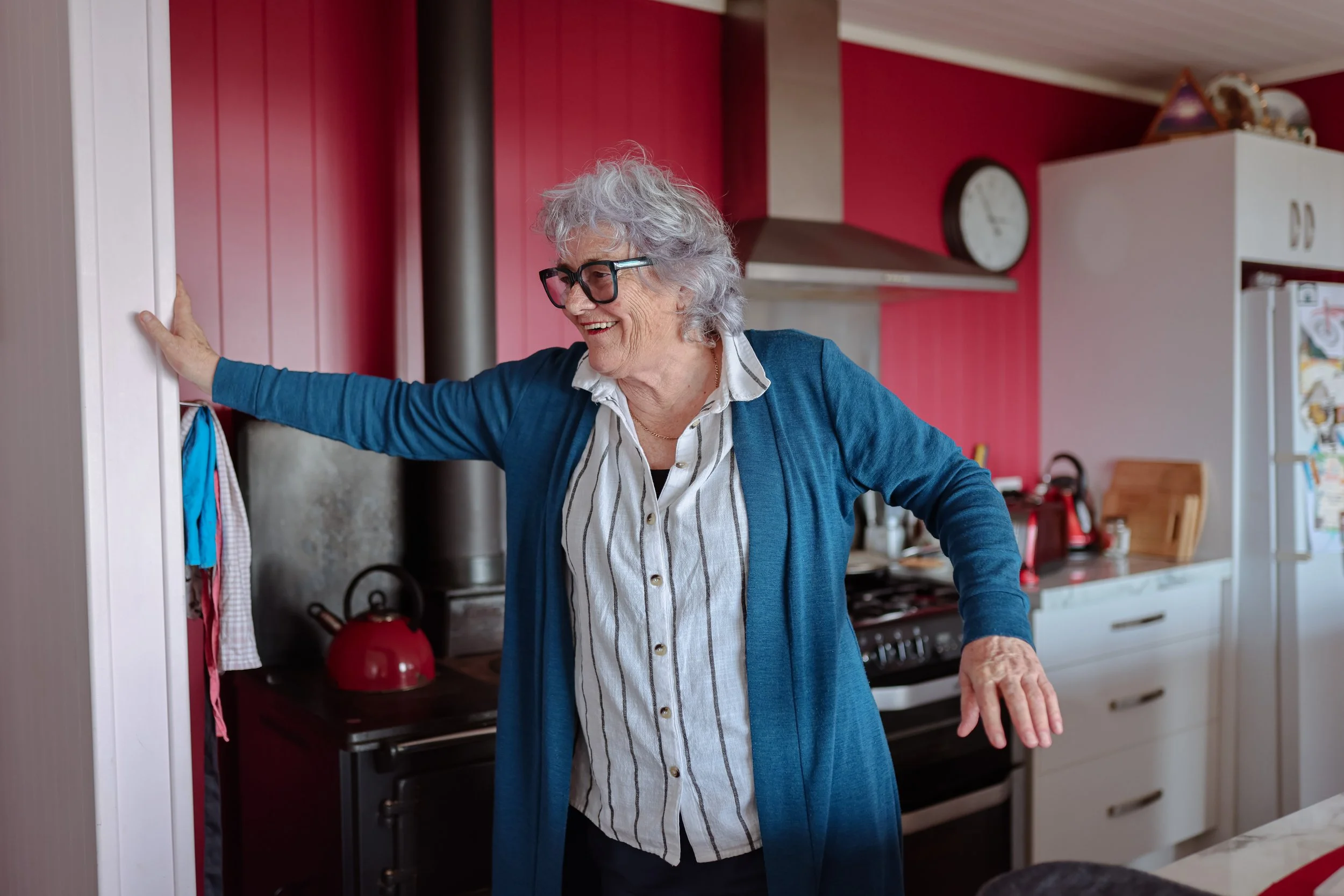
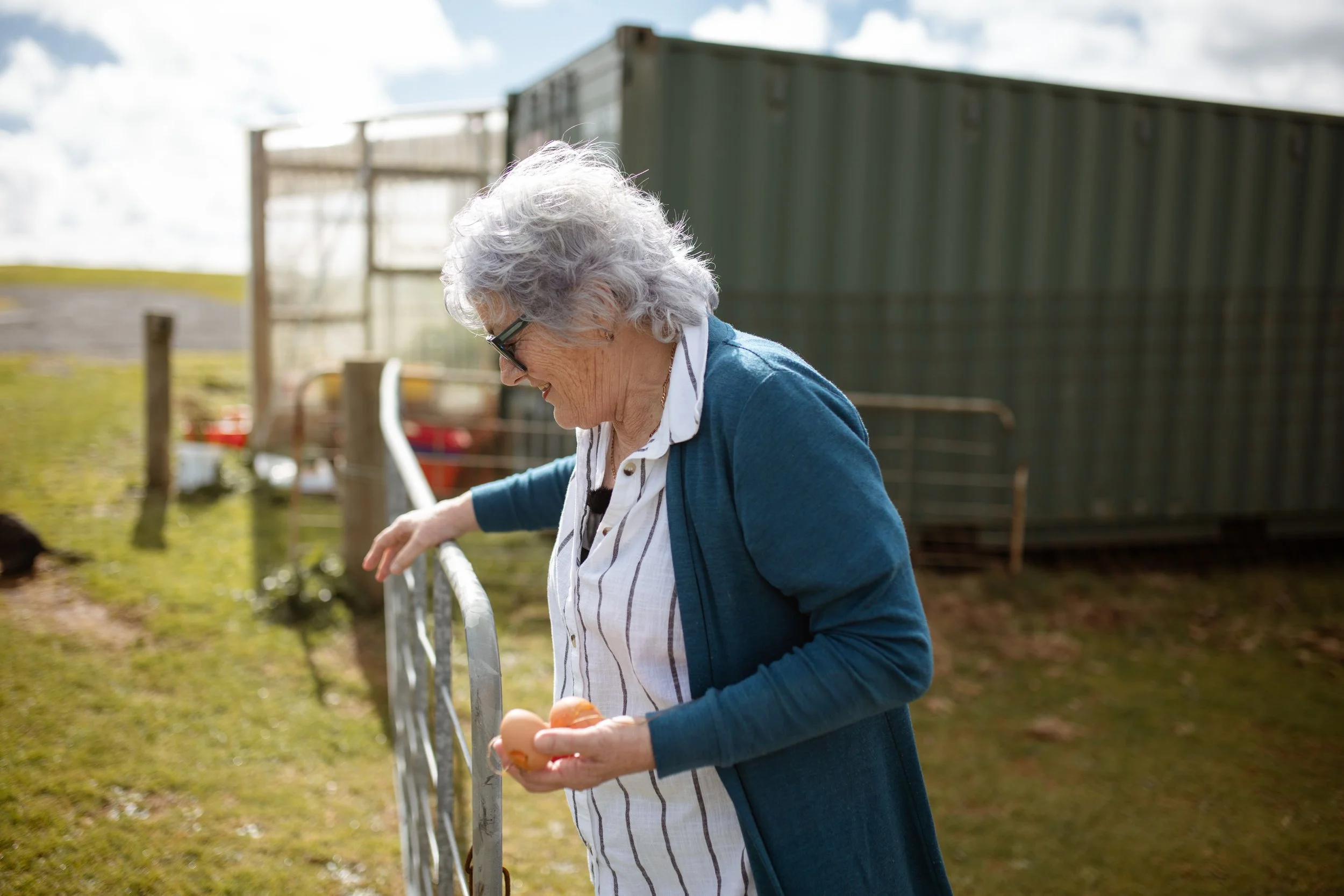
Sally Lanauze born 1956
Wharekauri, Chatham Island
A far flung life
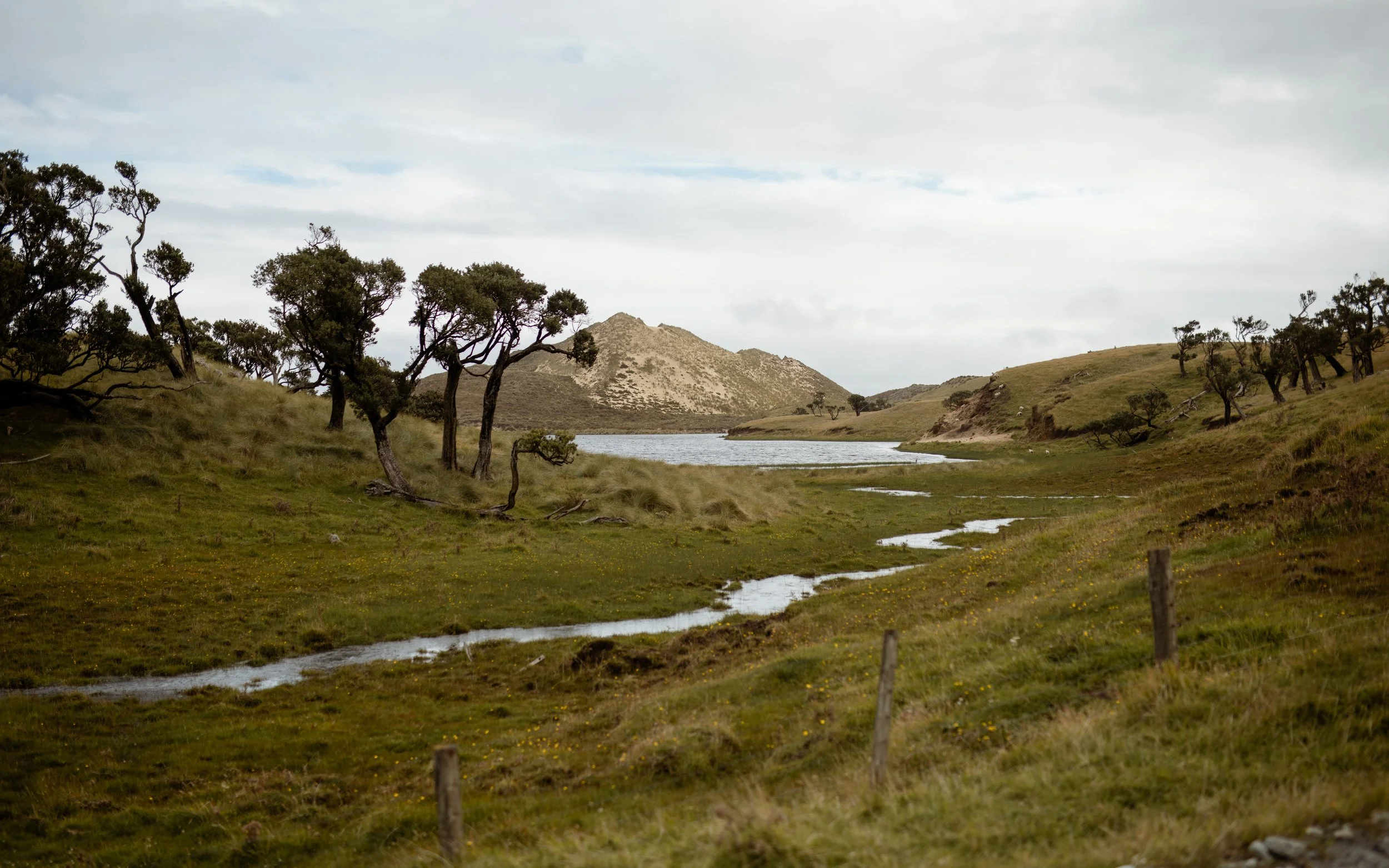
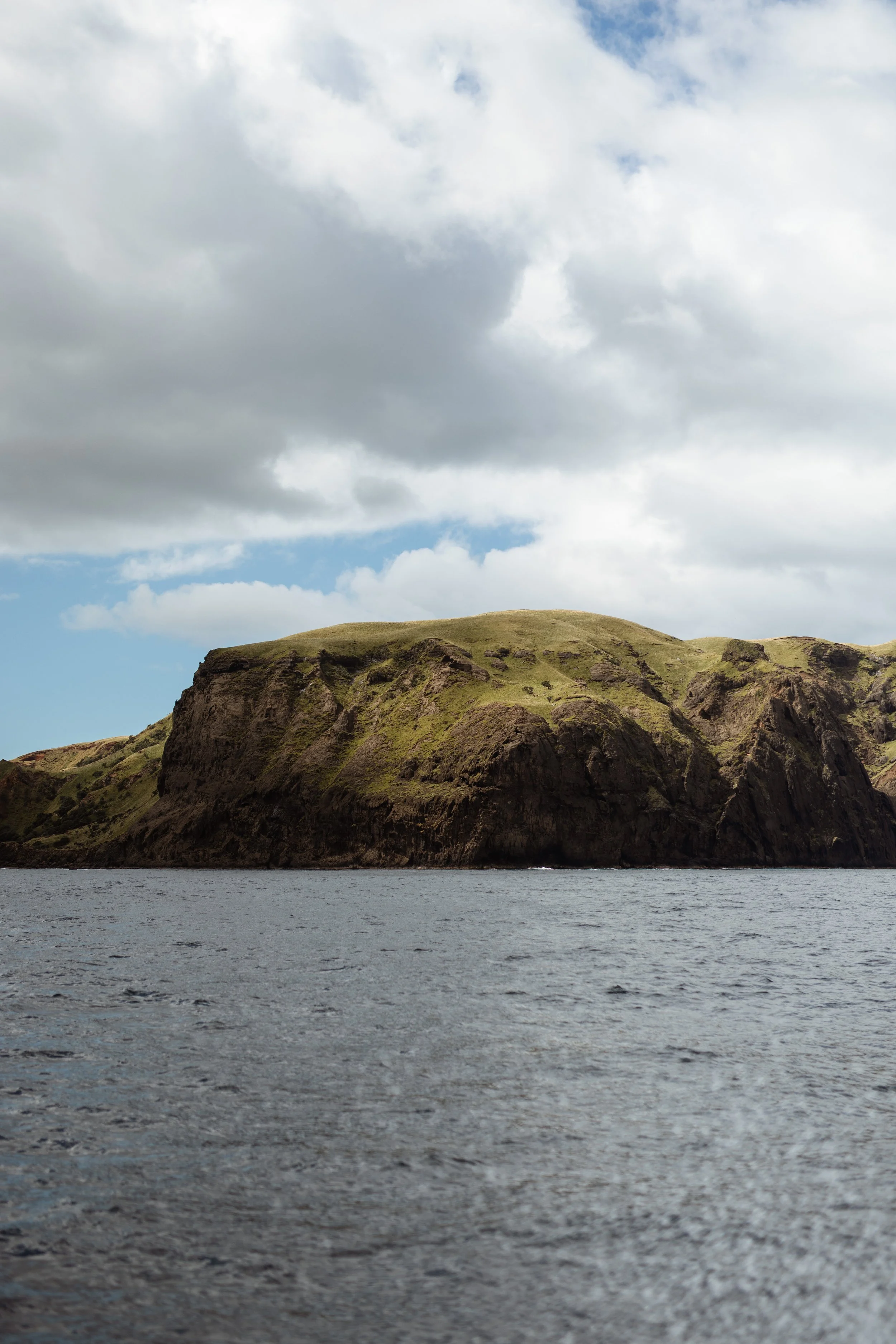
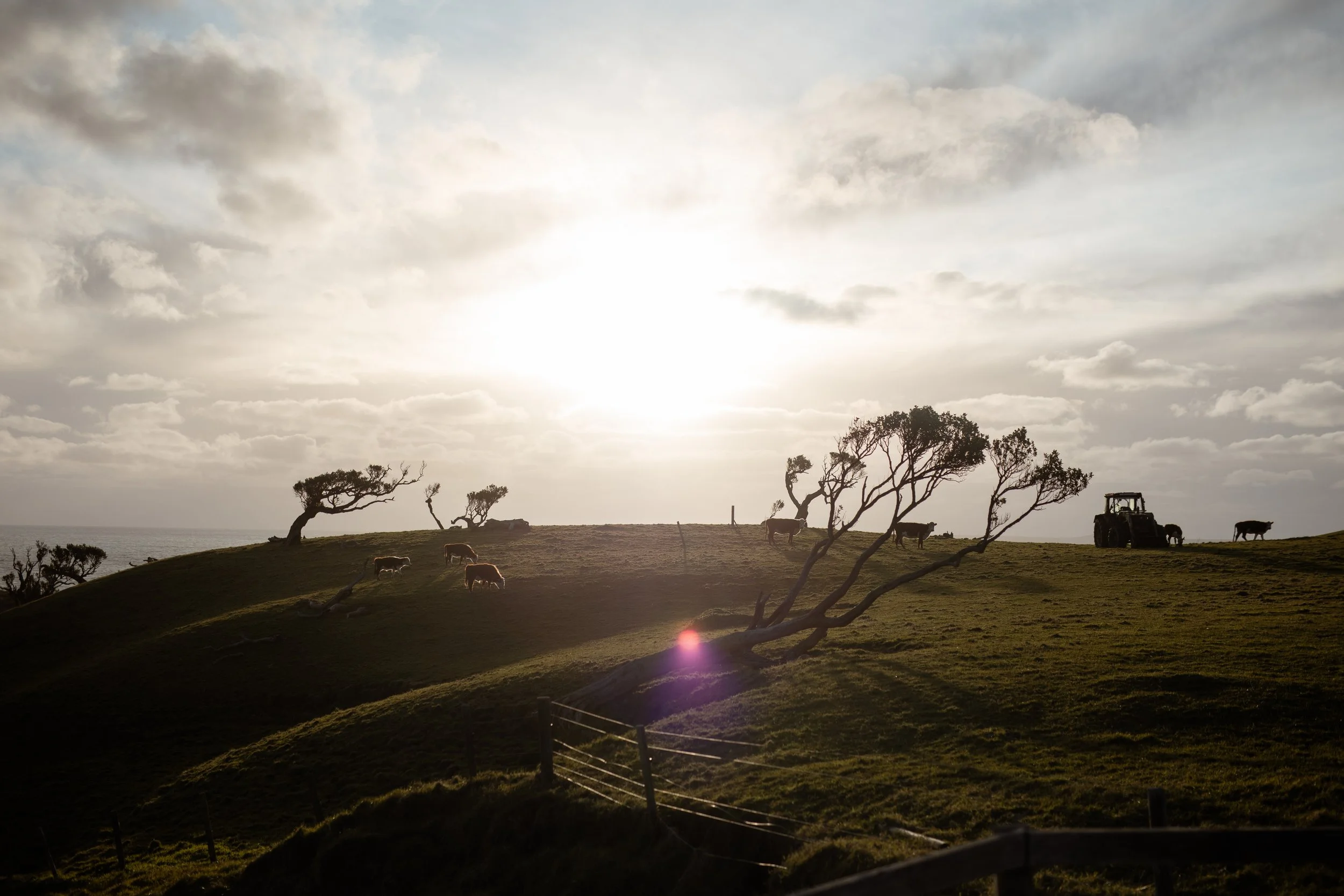
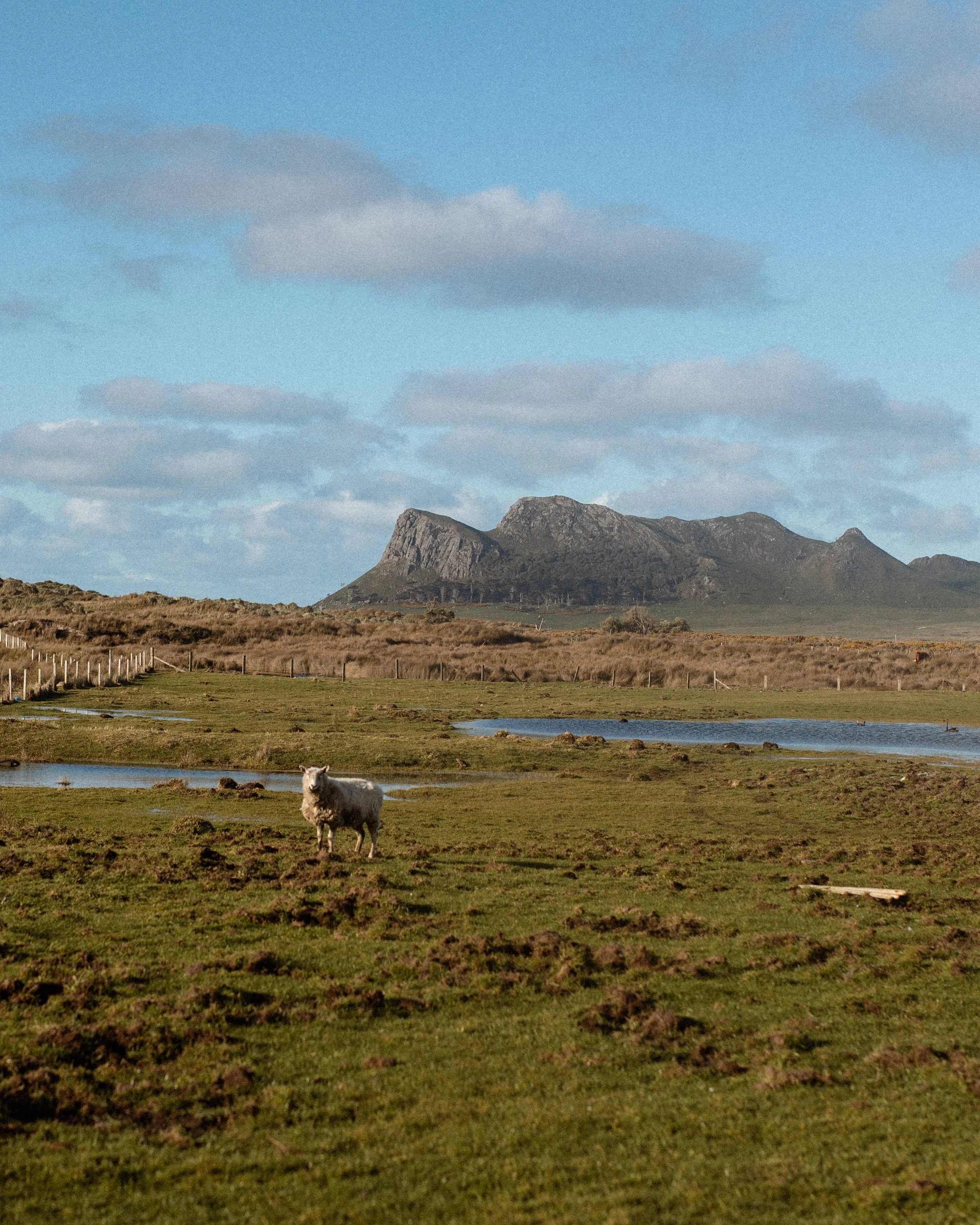
Sally Lanauze comes from a place of wind, sea spray and intense sunsets. Open armed barrenness that stretches into nothing but the wider sea. Sally knows isolation, she knows what it means to live with very little but she also has a deep understanding of the rich abundance of living on a rock in the middle of the ocean.
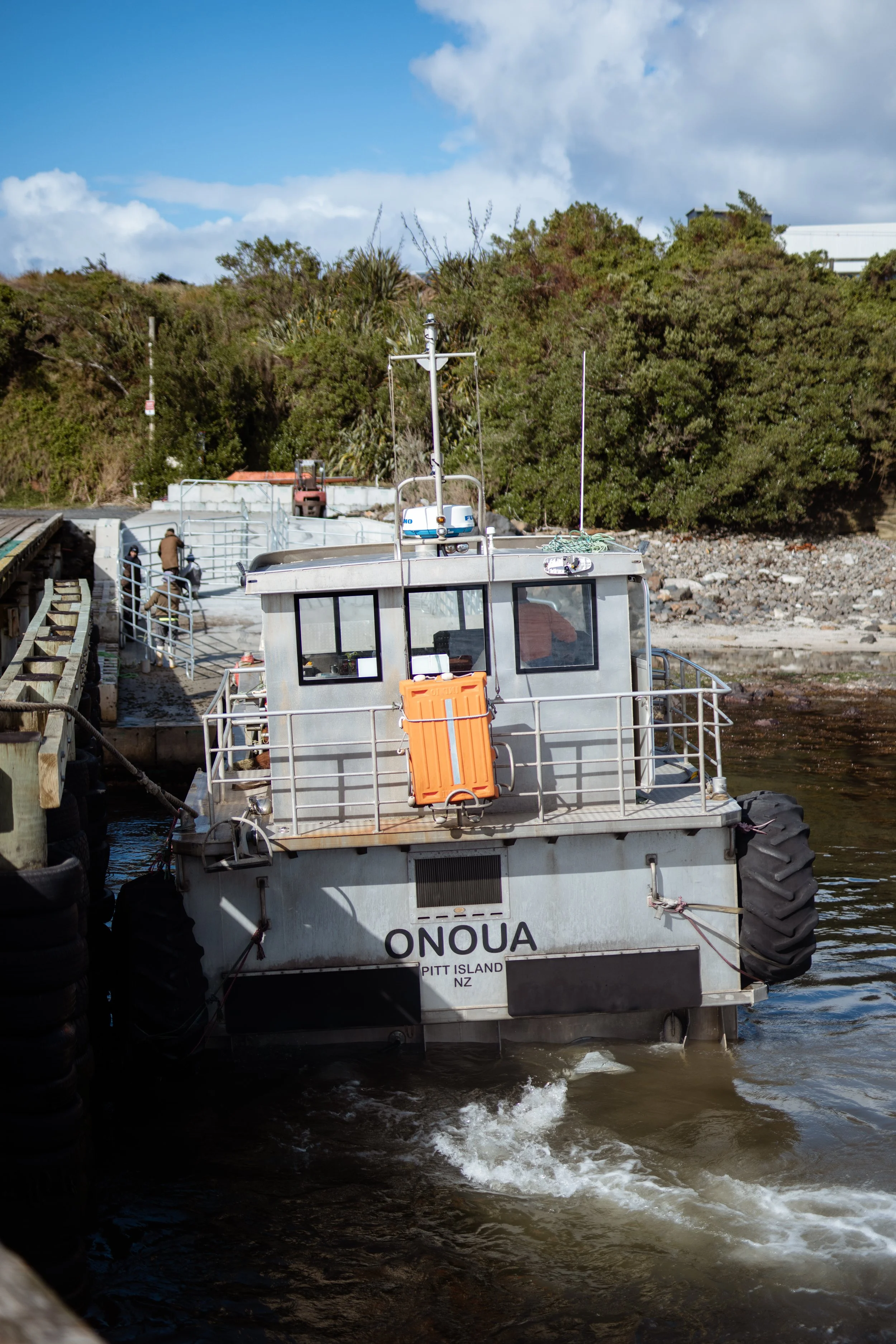
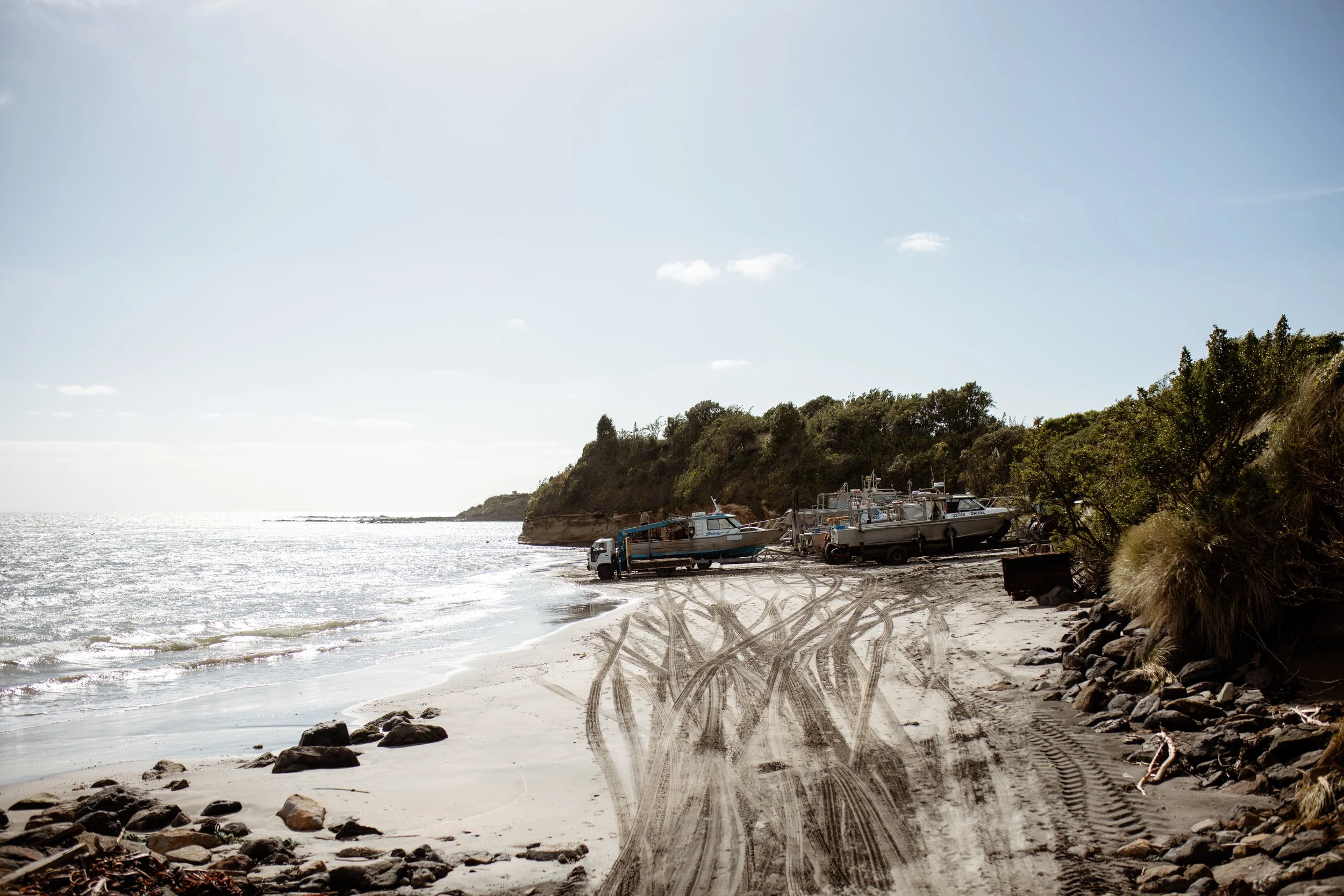
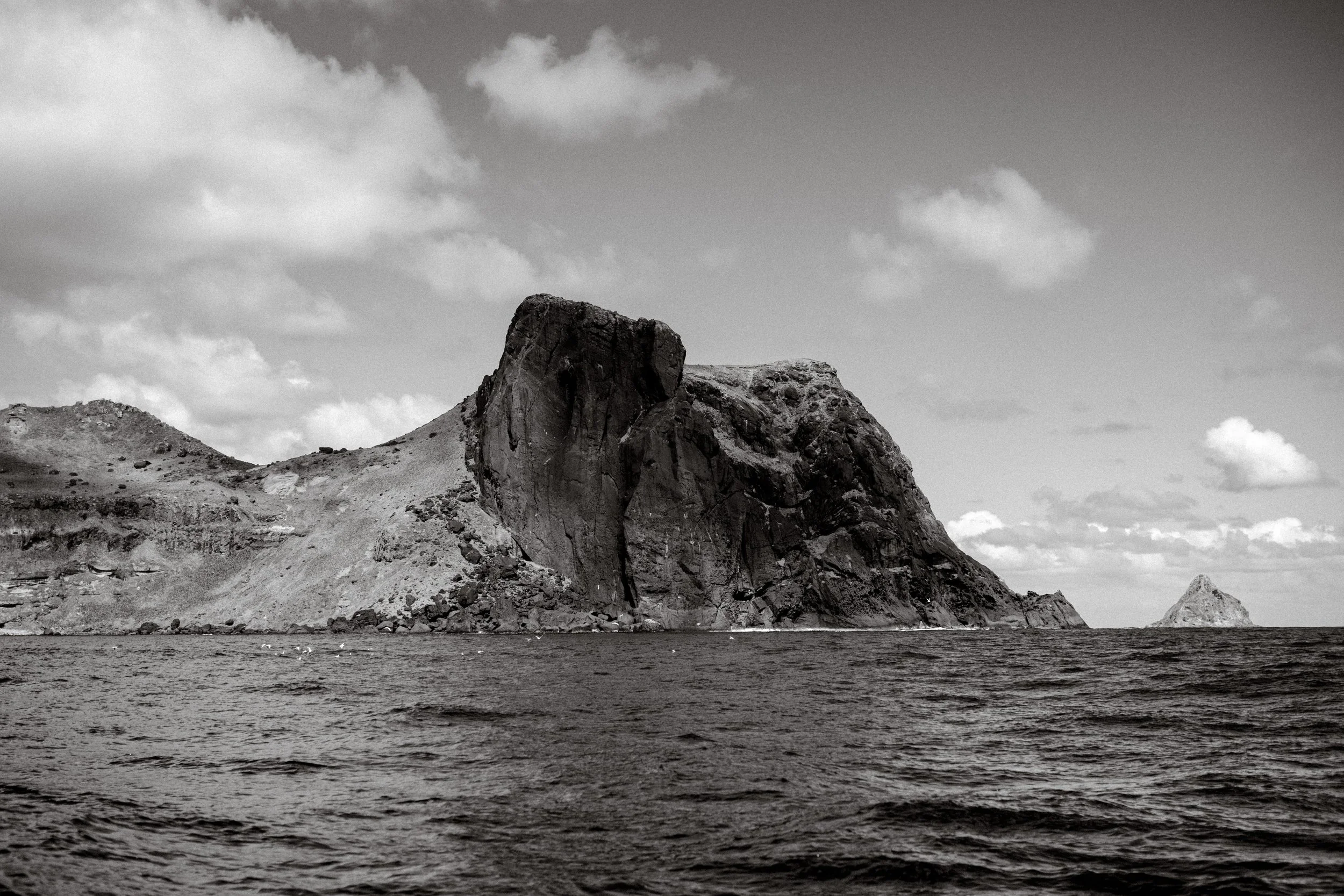
Sally comes from Rangiauria/Pitt Island, a small dot on the map in the cluster of the Chatham Islands. Sometimes the 65 square kilometre island, where around 40 people live, isn’t even on the map. But it’s where Sally has a deep belonging, given to her through lineage and an innate sense of who she is.
“We are very fortunate to know who we are. I think learning to live in a remote area and testing your skills and being able to make the best of what you’ve got is special. It’s not all about money and materialistic things. It’s about getting your feet in the trough and enjoying your life.”
Sally’s childhood with her six siblings was storybook stuff, storybook with a good sprinkling of grit mixed in. Her parents, Eva and Ken built their house and it initially had two bedrooms. There were four Lanauze kids at that stage and so two sets of bunks in one room was where they all slept. As more children came, so did more rooms and by the time the family was complete a substantial house stood overlooking the ever-changing sea.
Evenings were spent around the table, talking and hearing the stories from back in the day. “Mum and dad were great at passing on history to us, good, bad or ugly. So we were very lucky to have that. The Hunt family came from England, they were the original white family who came in 1842 to live on Pitt island. We are all his descendants.”
Days were filled with correspondence school, visiting, chores and mucking about in the great expanse of wildness at their backdoor. Resilience, intrepidness and self-reliance were all necessary on Pitt and second nature to its residents. Sally learnt to milk the house cow when she was six.
"I was terrified of the cow, her name was Fluke. My brother milked in the morning and I had to milk it at night. We helped in the garden, weeding, I hated weeding carrots, that was more of a punishment than anything.”
Sally recalls an early memory when her grandparents were still alive. Her grandmother had run out of flour and, as there were no shops on Pitt, supplies were bought in bulk off the intermittent ship. Running out of flour was an island crisis. Sally and her brother aged nine and ten were told to rig up the family’s draft horse, Darkie, to the sledge and to put a sack of flour in a butter box and cover it with an oilskin.
“And away we went,” says Sally, “I remember going over the top of the Island and it was spring and it had rained. It was my turn to drive the draft horse and my brother was sitting in the butter box. The sun was shining and I was trying to get Darkie going. We went through this big puddle and I remember my brother getting covered in water. He swore at me but the flour remained dry. It took us all day to get over to Grannies where we stayed the night with her and returned home the next day. It stuck in my memory as such a lovely day.”
A school house and resident teacher came to Pitt when Sally was eight. The school needed eight students in order to be registered and the Lanauze kids made up half the roll and they lived the furthest away from the school. They would saddle up their horses and ride, initially accompanied by their parents, an hour along the coast to get there. Horses were a necessary mode of transport in those days, “they were how you got from A to B”, and Sally says it was lore that you had to have 100 spills of a horse before you were seen to ride properly. “We would fall off but you just got back on again and none of us were ever badly injured but the worst thing was when you fell off and the horse would take off and you'd have to chase after it to catch it.”
Sally’s mum, Eva was the Pitt Island nurse and an “amazing lady”. As there were no phones in those early days people would have to ride over to Eva at the far end of the island if they needed help, or she would go to them.
“Mum would pack up her horse and she’d be gone. Sometimes you’d wake up in the morning and there'd be no mum because she’d had to go out for someone. She’d ride in the night and it could take an hour and a half to get to where she needed to go with her pack on her back. Mum would wear saddle tweed pants and she was very good at what she did, she never hesitated. She could be gone for two or three days with no contact but she got through it all. There were no planes back then and mum had to get patients taken off the island on fishing boats if they needed to see a doctor. When the weather was bad she had to look after them.”
Eva Lanauze is a legend of Pitt Island and she was known for her strength but also her elegance.
“People would be amazed going out to Pitt Island and there was this very well dressed and made-up lady in the middle of nowhere. She was like that all the time. I suppose it’s about having some respect for yourself. We used to always have to put a dress on before tea and we weren’t allowed at the table looking shabby. Dad would have a shave and put a good shirt on. I always wear lipstick and that comes from my mother.”
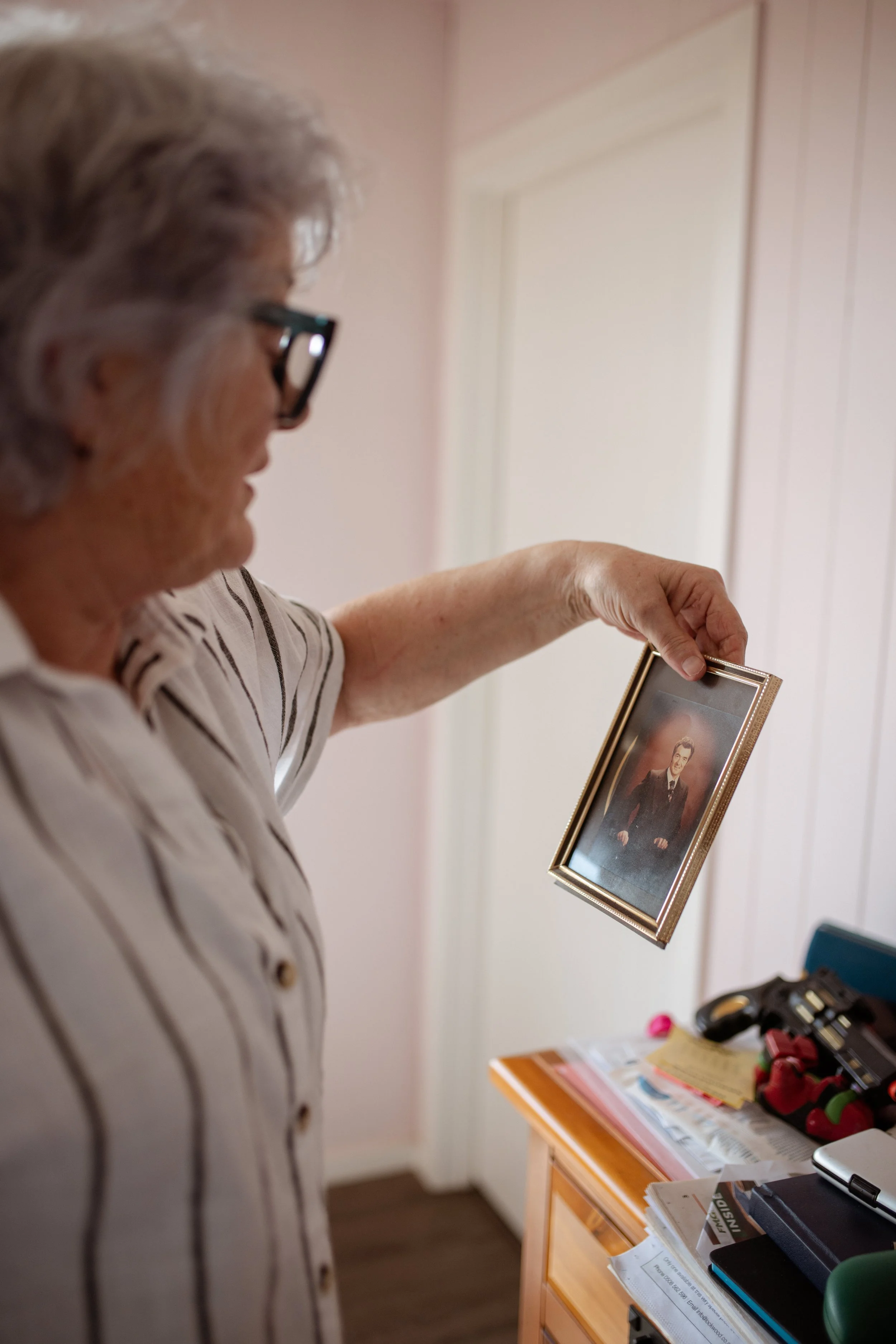
Sally also inherited her mum’s gift of helping people and even as a child Sally knew she would become a nurse. She would borrow her mum’s nursing books and hide herself away in the long grass, disappearing from view and into another world. One of the books was about nursing in the Australian outback and this one intrigued young Sally the most.
But before she could pursue that dream first Sally had to go off to boarding school in the big smoke of Island Bay, Wellington. She was 13 and says it was the biggest culture shock of her life.
“Mum came out to get me settled in and I remember being so excited about going and then standing at the bottom of the street and seeing the school and bursting into tears thinking ‘oh my god!’. It looked like a hell hole. I was quite shy and I remember crying every night for 14 months because I wanted to go home. But we weren’t allowed to, there was no argument.” Sally knocks her knuckles on the kitchen table. “That’s the way it was.”
“We would get a letter from mum once a term and she would write about the garden, what dad was doing: shearing, crutching, fishing and what the other kids were up to. I remember getting the letters and seeing mums writing and being so excited.”
It was boarding school that gave Sally the realization that her childhood on the island had been extraordinary. Staying with her school friends brought her to an understanding that their lives were so different to what she had. “But it was always in my mind that we had a better life than they did. Not being able to explain it then but being so glad that we lived where we lived.”
Boarding school taught Sally new things and along with her innate knowledge from her mum, she was finally ready for her nurse training. Sally then went on to have a family of her own and when she split from her husband, becoming a single mum to four kids under five, Sally’s can-do attitude really kicked in. She drove the school bus for four years, worked at the Department of Conservation for six and a half and she got on with bringing up her kids.
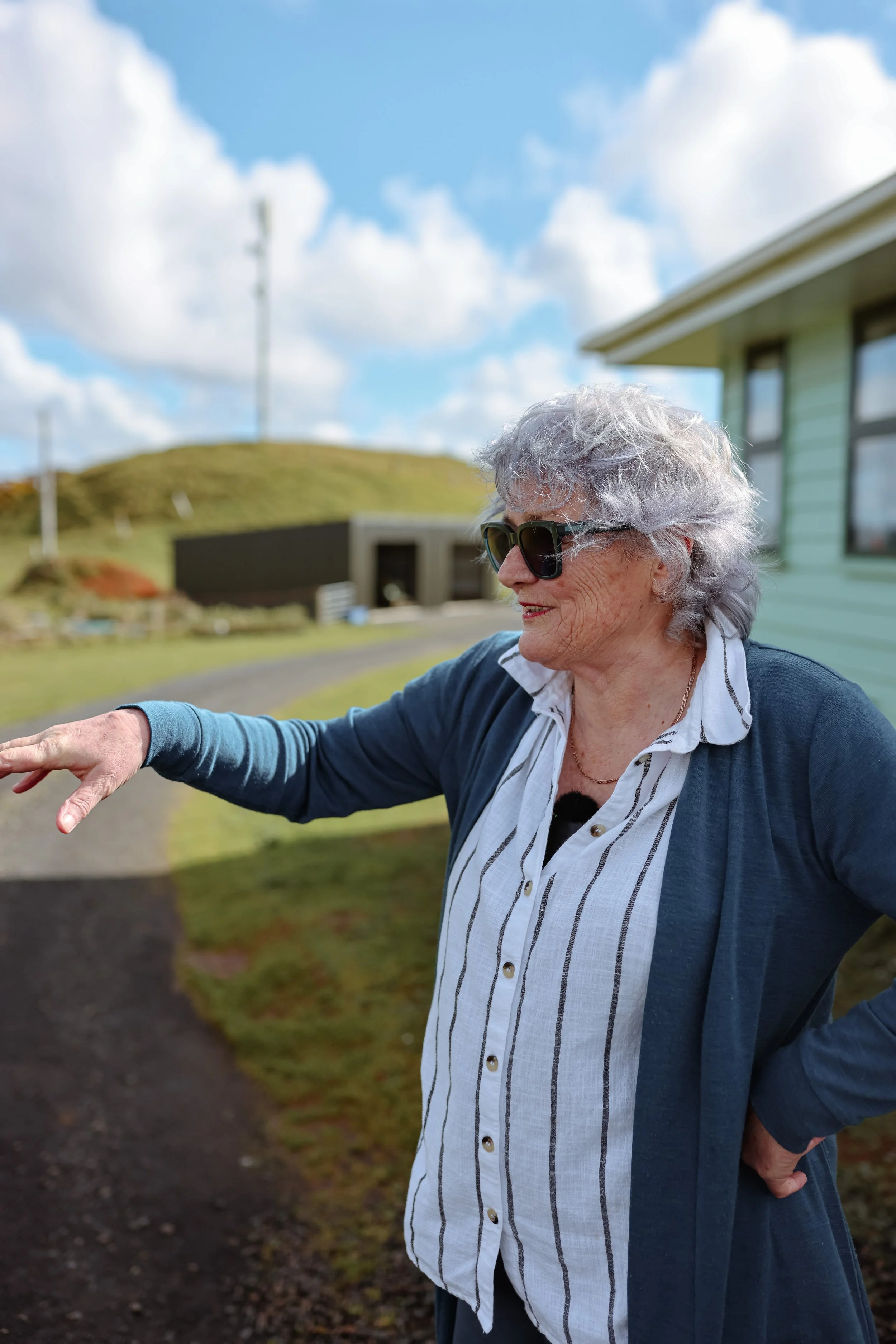
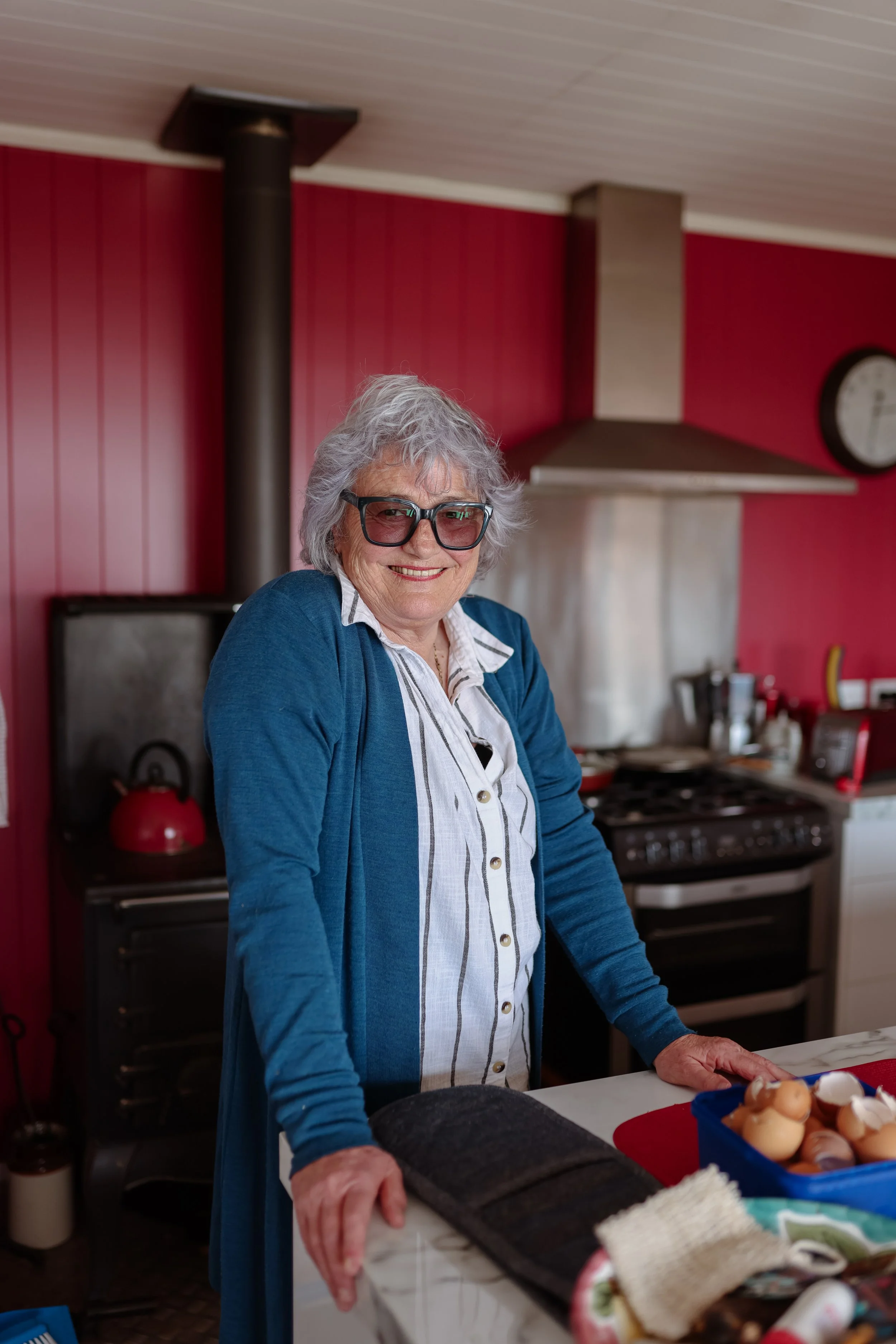
“I had an agitator washing machine, no disposable nappies. I washed nappies till the cows came home and I would line them up on the clothesline. In summer there was always a water shortage so you had to be very mindful of the water. We got through it, I don’t know how I did, but I did. I never thought about how tough it was. I had family here, at Kaingaroa and would bundle the kids up and go and stay the night. And my other sister was here so they all grew up together and a lot of cousins and kids the same age. They were never lonely.”
Sally had a cow that she milked and although she hated it as a child, milking became a time of restorative solitude in her hectic days.
“Dad sent the cow over from Pitt and I used to have her running in Te One. Her name was Vicky and I’d go up every morning and night to milk the cow while someone minded the kids and I’d go up there and it used to be my heaven sitting on a beer box under the cow. It was heavenly peace. People used to say "you're mad, why would you do that?”, and my grandmother who lived here would say to people, “I know exactly why she does that’s because I did that. It's her sanity.”
When her kids grew up and went off to do their own thing Sally took the chance to do something for herself. She was always seeking out that feeling of remoteness her childhood had given her and in 2001 she landed a job on Motu Ihupuku/ Campbell Island as part of the rat eradication programme. The island is uninhabited, subantarctic and very isolated but that was no problem for Sally.
“You generally have to do a physiological test to make sure you won’t lose your lolly because of the isolation but I didn’t have to because I was brought up remotely. I understood what remote was. It never bothers me, my head is remote. I wasn’t going to go nuts because I couldn’t go to the shops or get my nails done or my hair dyed.”
The weather on Campbell Island is as wild as it gets and even for Sally it was bone chillingly cold. But she loved every minute of it.
“It was life changing. We would get up in the morning and we’d go out on the helicopter for the rat drops. We couldn’t go till about 9 because the daylight hours were so much shorter down there and we would work till 3.30 when it would start to get dark. We’d get back to the old met station where we stayed, cook the tea, sit round and have a yarn. If the weather was too bad for flying we used to go exploring. The wildlife and land formations were amazing; the Southern Wright whales that came so close to the shore, sea lions, albatross, penguins and all the plant life. I felt so incredibly grateful that I’d had the opportunity. To be able to know that what we were doing was going to enhance that place.”
On return from Campbell Island Sally was offered a position at the Chatham Islands Health Centre. It was here, while working fulltime, that she decided to upgrade her nursing qualification and over the following three years obtained her nursing degree through the distance programme. After spending six years at the health centre and then two years in Christchurch it was time to move on. Adventure was calling and the old dream of the Aussie outback was rekindled.
Off Sally went to a rural hospital in Winton, Central Queensland for six months and then she took a step further out to an Aboriginal community in the Gulf. After finding her feet in these communities Sally took on a single nurse post and the word that comes up a lot when Sally speaks of this time is, amazing. She says it was the people that stick in her memory.
“I met the most amazing people, hardy old Australians who lived on the old big stations. They were as rough as guts but real gentlemen. And meeting the Aboriginal people and getting to know them and their cultural history, which was terribly sad, was special. Hearing those real stories from the indigenous people themselves, amazing. I used to visit this old lady that we were so fond of and she had brought up 22 children. She’d had none of her own but she always had kids around. She was getting on and she was a diabetic and I used to say “Shirl, don’t worry about coming into the clinic for your bloods I’ll come to your house. She would love it and she said to me one day that I was the first white nurse to come out to her house. I’d have big yarns with her about her life. She’d been a drover back in the day droving cattle all across Australia.I loved the relationships we built with the people there. It was next level great.”
“It was a huge learning curve over there. I was very well supported where I worked and I continued on doing post grad studies,” Sally pauses with a faraway smile, “It was the last frontier of nursing by the seat of your pants. We had satellite phones but sometimes it didn’t work and we would be out dealing with car accidents and things and you couldn't get anyone on the phone. You had to think on your feet. You didn’t know when you were going to get a call day or night. We’d go out and deal with the patients and bring them back to the clinic. Then we would get the flying doctors out.”
Sally says island life taught her a tolerance that she has carried with her always. An ability to “just get along”.
“I think I have always wanted to be able to look back on my life with no regret. I’ve had an interesting life. There’s been challenges and tough times but I’m a great believer in learning from all the stuff you have done. I just love getting together with my sisters and a few of the cousins, there’s about six of us and we just catch up. We have a good laugh about when we were kids, all the stories.” Sally pauses looking out the window at the constant in her life, the sea, “yeah I have no regrets”.
Sally thought she might retire but the reality is she loves her job at the Chatham Islands Health Centre, “I’d be driving people nuts after three months.”
“You get a lot of sadness in my job and I think when I don’t find the sadness sad then it’ll be time I left. These things still affect me and I think that’s healthy. Because I know most everybody here you think about it a lot. We just try to do everything we can and we celebrate the good things.”
Sally has “a heap” of grandkids and although she lives on the big island now she thinks of Pitt as home.
“I have a lot of family here and there and family is important. My roots are on Pitt Island, that’s where my ancestors went and where all that great history is.”
Sally Lanauze comes from a place of wind, sea spray and intense sunsets. A place of tight knit community and rutted horse tracks. Mud, rain, dazzling blue days and circling birds. On Pitt, if you were born there you can be buried there and on a high hill overlooking the sea where Eva and Ken remain. When islanders pay their respects, stories are told into the ever persistent wind. “Belonging,” says Sally.
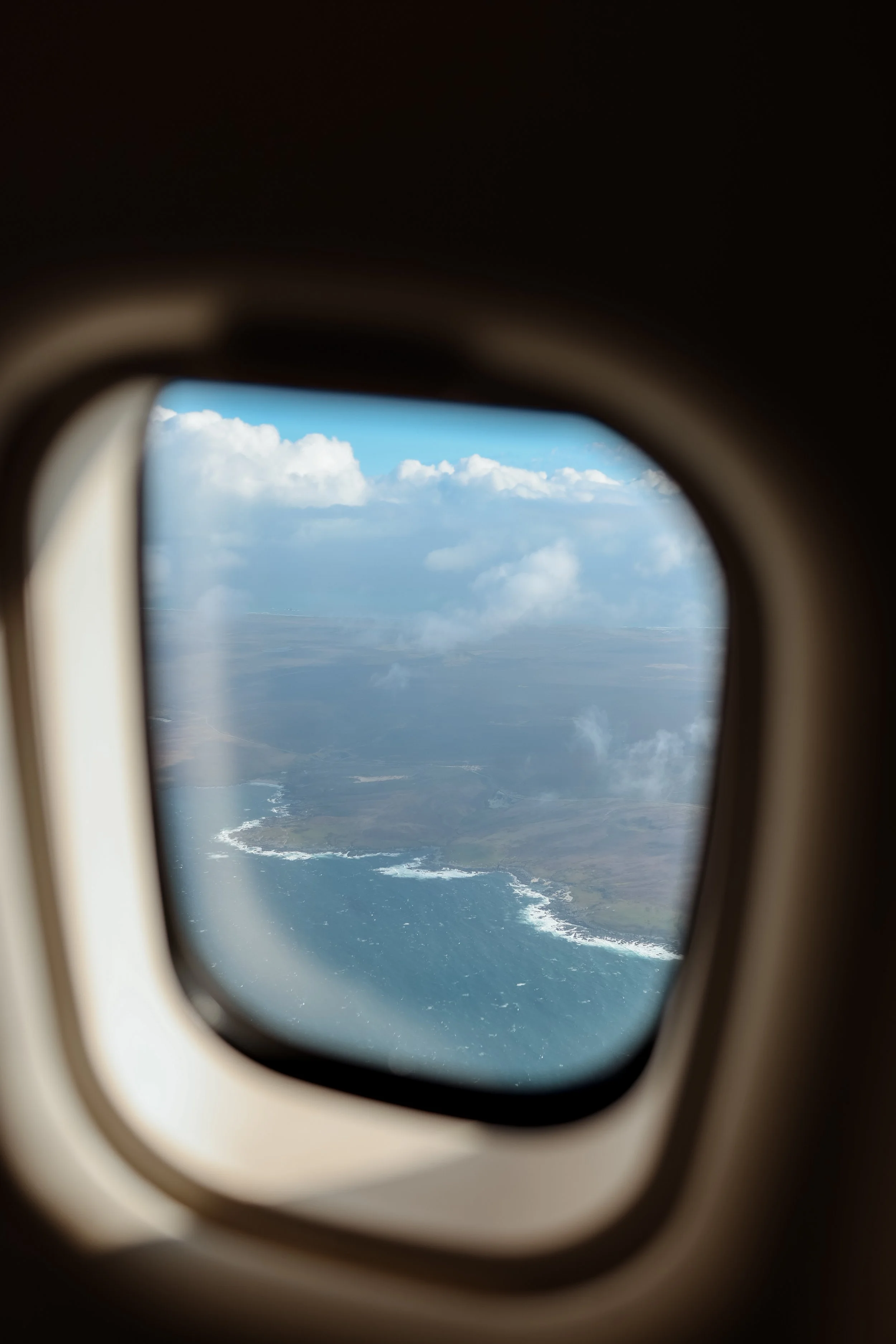
When she flies home on the teeny five seater plane Sally cranes her neck to see the outline of her island and when she sees it she can feel it, “a sense of coming home”.