JOHN SYMONS
Writer: Carly Thomas
Photography & Videography: Francine Boer
Producer: Francine Boer
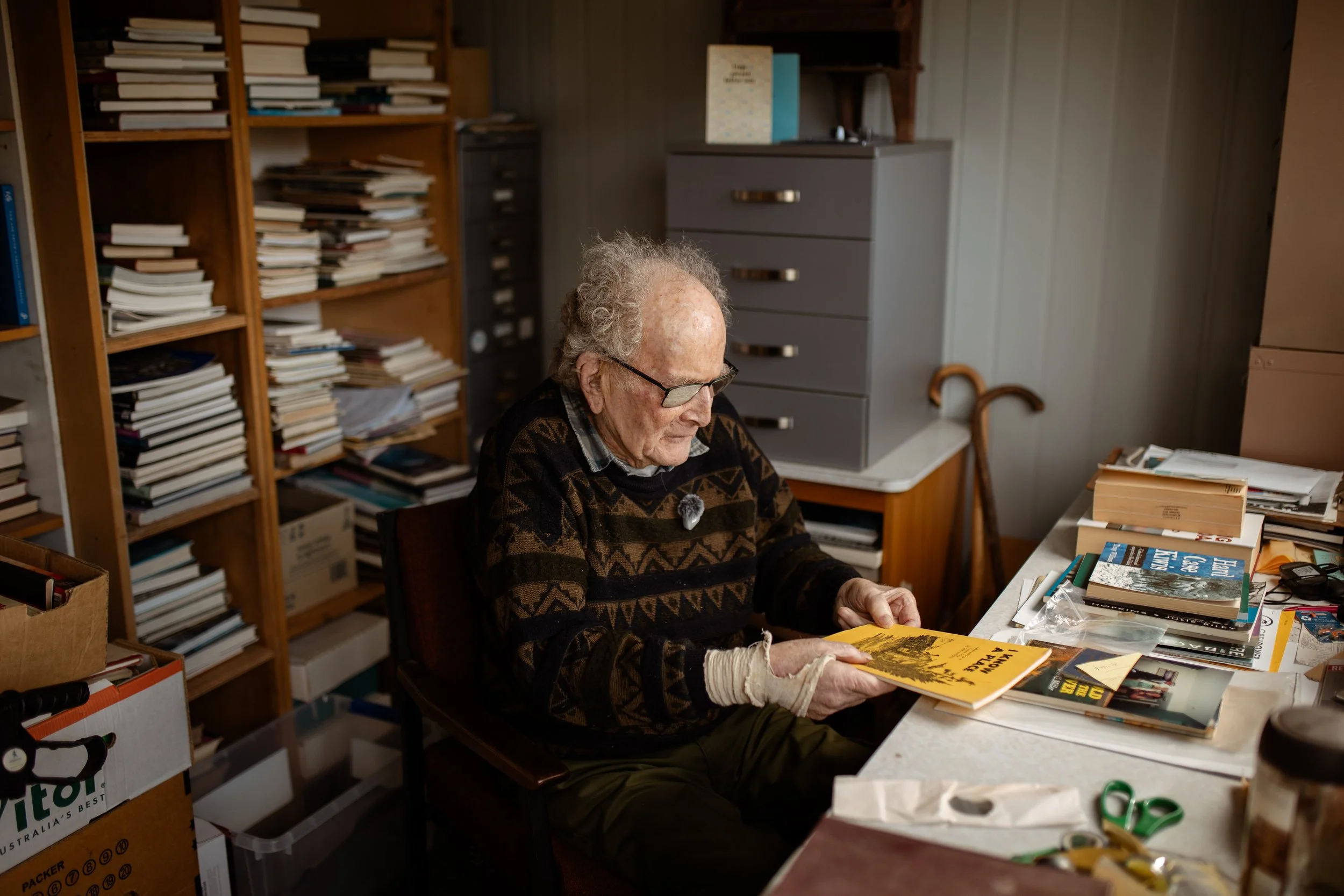
John Symons 1939 - 2026
Alexandra, Central Otago.
John Symons’ connections to Central Otago run deep - from his gold mining lineage through to his dedication in upholding his community’s heritage. John worked hard, sought out adventure and lived a thoroughly full life.
John became a fire fighter as soon as he could. He was turned down when he first applied, having been told he was too young, but he persisted and, once in, he said it was a job that excited him. “I didn’t enjoy the outcomes that could sometimes happen, but I enjoyed rescuing people and putting out fires. I loved the call of the siren, the excitement of getting to the station and getting the gear out.”
John remembers when the Top Hotel in Alexandra burnt down. “They had been cooking a leg of lamb in the hotel oven and so after we put the fire out, we all sat down and ate a roast dinner.” John chuckled at the memory - there was comradery in the fire brigade that suited a young John and the fast pace drew him in. He had lost his driving license after being caught too many times speeding and so he never did drive the fire truck, “I was probably known as a bit of a speed merchant,” He said drily. So a pushbike was the means of getting to work for John when the siren called out over the town. John’s family lived by the railway and the fire station was right down the bottom of the hill from their house. “ The siren would go off and I would go flat out on my bike. It was great fun.”
John’s childhood unfolded during the Depression years and although, in retrospect, he recognised it was tough, “at the time we didn’t know any different.” John’s dad Tod Symons was one of the lucky ones who managed to hold onto a good solid job at the Ministry of Works as an irrigation administrator. Tod was also a poet who wrote many poems and ballads about Central Otago. John said he didn’t carry on the writing gene. “I’m no poet! Not at all”, he exclaimed.
The Alexandra contingent of the Boy Scouts was a way for John to embrace his love of adventure from a young age and it was a big part of his early years. He remembers, aged 16, making a big trip to Australia for a Scout Jamboree on the MS Wanganella, Australian ocean liner. It cost 108 pounds which was a lot of money at the time and John said he was crook with sea sickness but still thought of the trip as a great adventure. “We went by railcar to Wellington then got on the boat there. It was Christmas time, I remember that, having Christmas dinner on board. It was the smoothest crossing they said they'd had in five years but still I got sea sick the whole way.” He proudly said that he gained his Queen’s Scout Badge and carries great memories of those times.
Water skiing was another love of John’s, even though he admits to never having learnt how to swim. “As young people we made our own water skis out of plywood. We used to water ski when the dam first came up.” Another lark was rafting down the Clutha River for the Alexandra Blossom Festival - New Zealand's longest-running community festival, celebrating the arrival of spring in Central Otago. “We made a raft and we decided to come down the Clutha River and then carried on all the way down to Cromwell. It was great fun.”
John decided early in life that the way to get ahead was to be good at something that other people weren’t doing. “Get an education and get a certificate in something that no one else has so that you are needed. You need to be able to do something that other people can’t do. Stick at something and be very good at it and be honest and realistic.”
John loved a challenge and as he worked his way into the building trade he took on jobs that were a bit different, the sort that made him scratch his head before nutting out the best approach. It was through his work that lifelong friendships were formed. The late and great Kerry Eggeling was one. John met Kerry when they worked together on a set of cattle yards at Kerry’s family farm in Haast. “Kerry was one of the toughest men I had ever met. A nice bloke and we got along very well together. We did quite a lot of jobs together. He was different, he did things differently and I liked that. I wasn’t one to make friends easily, but a good friend is someone who is loyal and is there when you need them.”
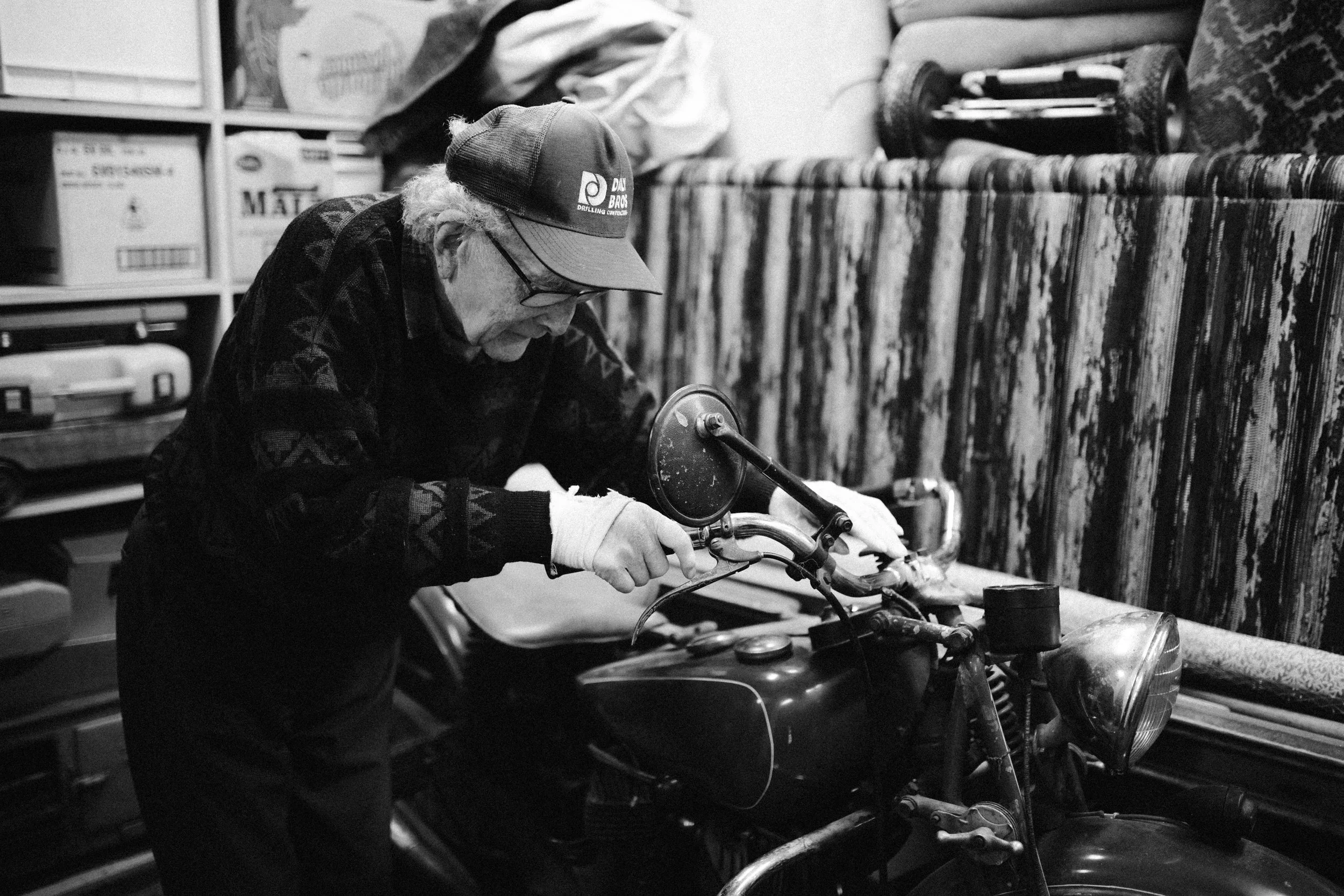
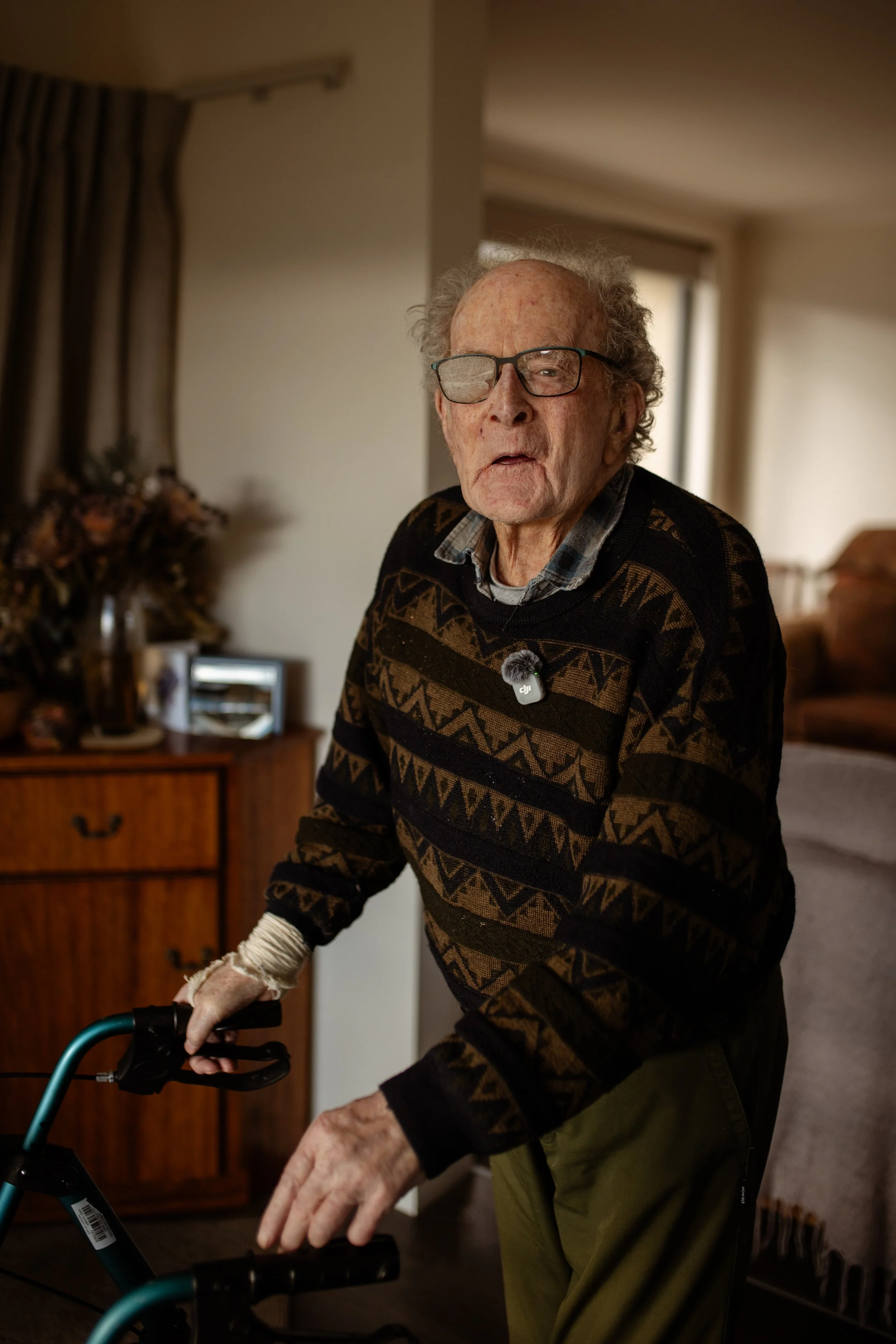
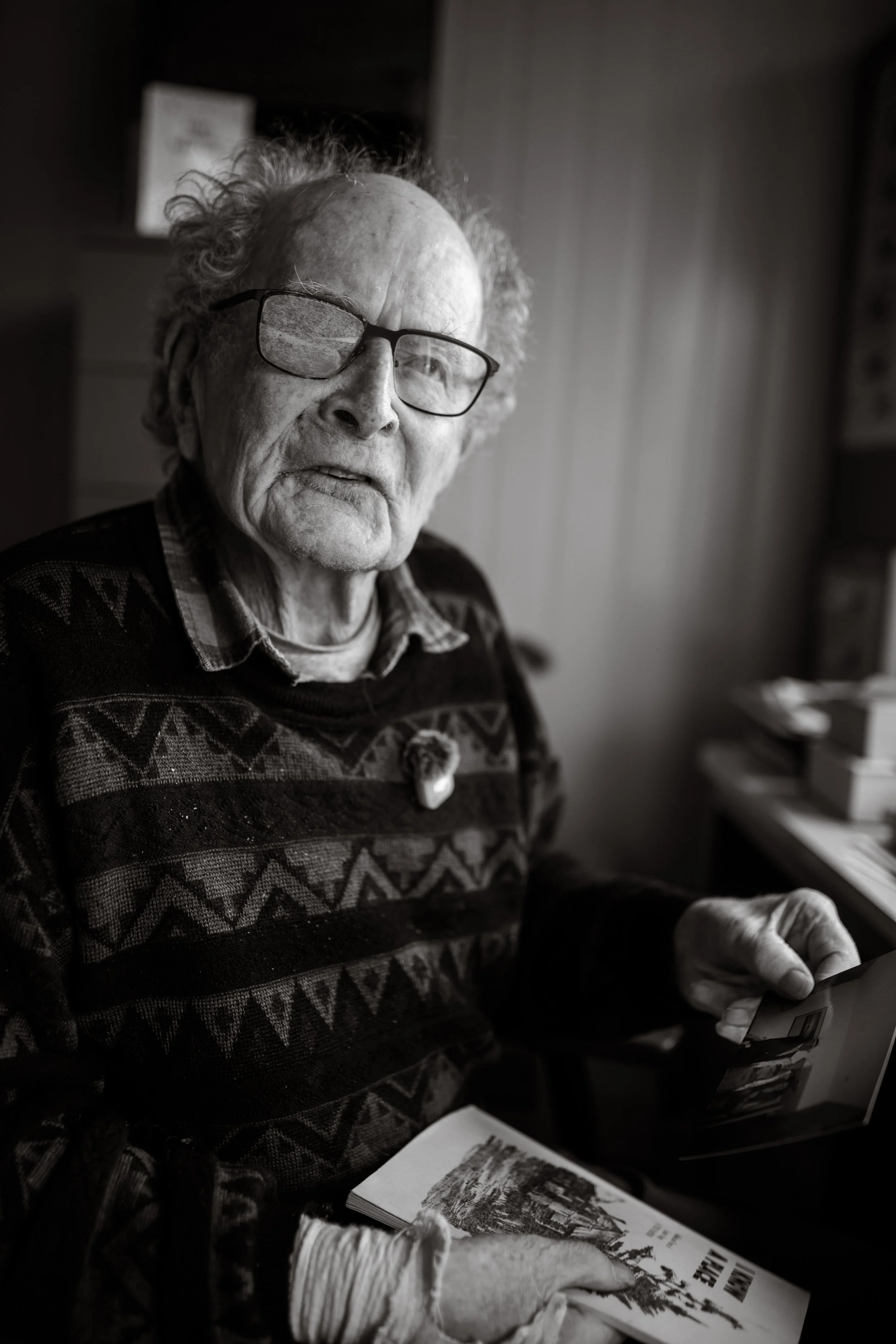
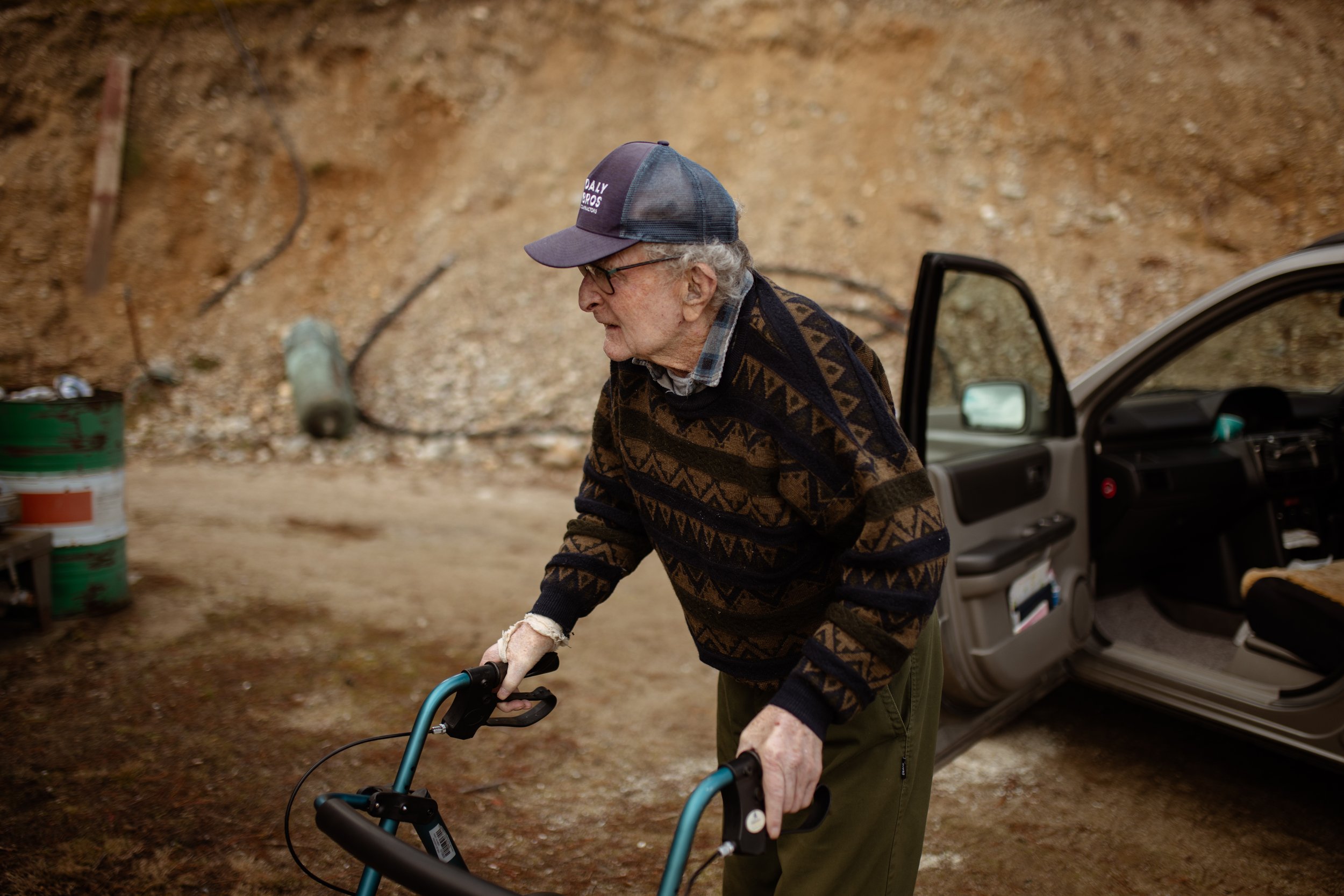
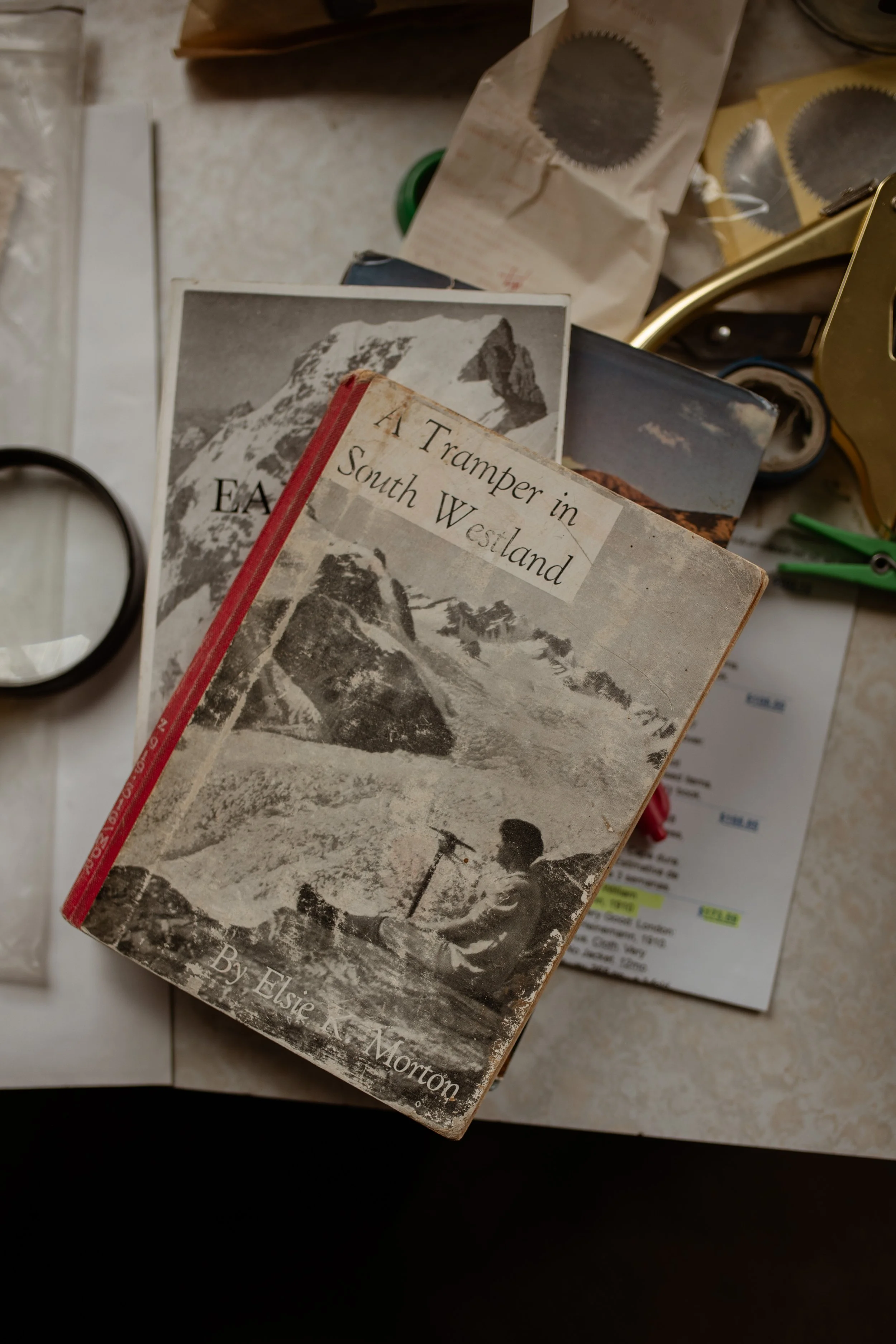
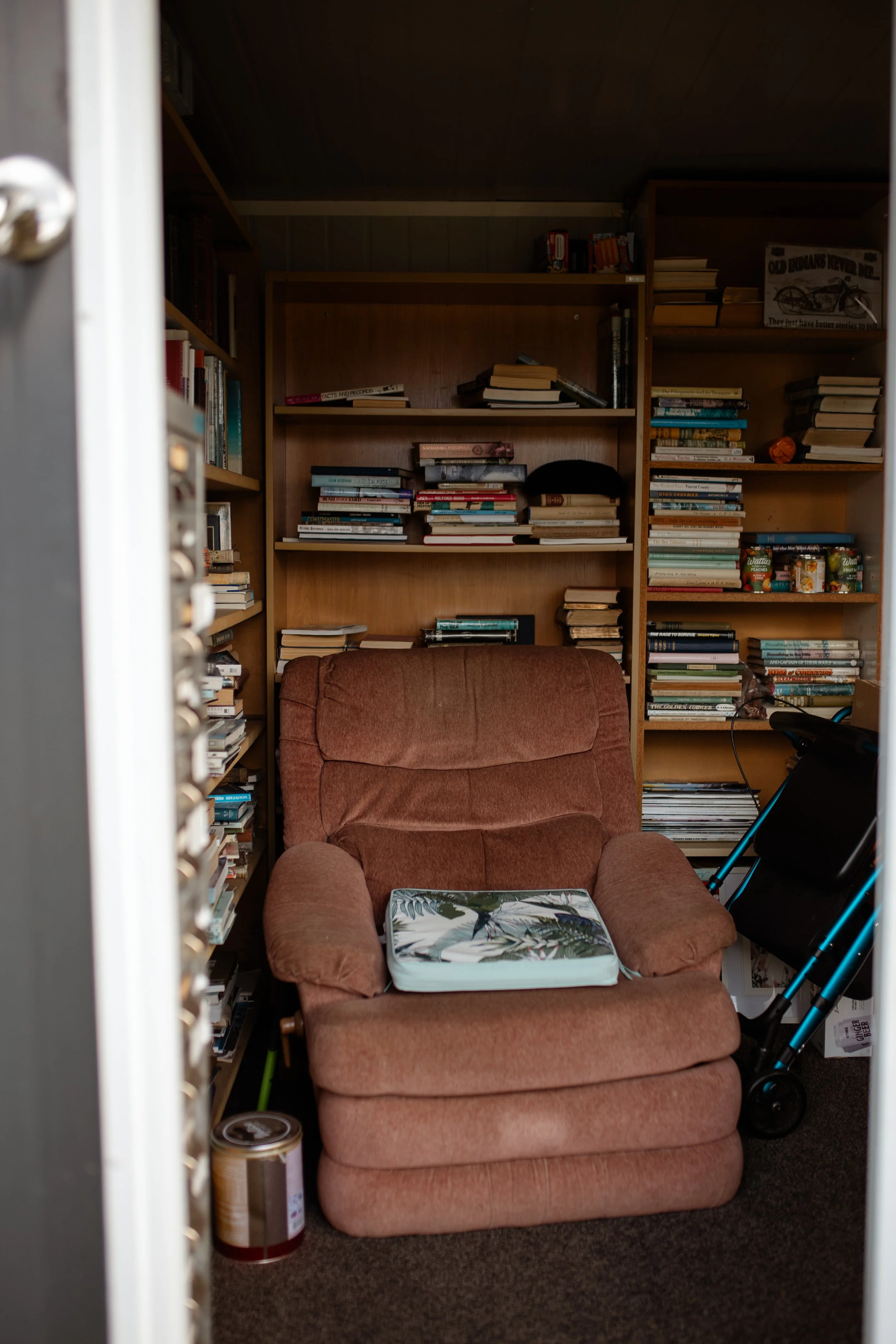
John Breen was another out-of-the-box individual who was on John’s wave length. John worked many jobs with Breen Construction, some which were not your ordinary kind of building situations. The first job John Breen and John Symons did together was the single-mens' quarters in the just-starting-out new village of Haast in 1978. Together they went on to erect the first radio masts in New Zealand using helicopters - first on the mainland and then on Stewart Island. They helped establish the Otago Central Rail Trail, did the salvage jobs that others thought were too hard, built the Lake Onslow dam for the Otago Central Electric Power Board and built a T-bar lift on Ruapahu in the middle of a brutal winter.
“That was the toughest job we ever did. We had done some tough things but we weren't used to the ice and the snow. Kerry and John were both there and the conditions were tough.” It becomes apparent that this was an understatement as, in his next breath, John describes being run over on the job. “We had trouble getting up the mountain, so three of us tried to get on the front of the vehicle to hold the front down and give it a bit of traction. But the trouble was I came off the front of the Toyota and the Toyota carried on! It had chains on and it ran right over the middle of me. Someone said, “oh shit we ran the boss over! And another said "Come on, let's have another try”. John said, drily reassuredly, that they were just joking.
“We all had to work hard. A good worker is one that can think for himself and work by himself. People don’t work as hard now but I’m sure we worked far too hard back then. We all had our own ideas on health and safety. It was a bit more flexible in those days.”
It was all a bit of a mad-cap boys adventure disguised as work and John relished the challenge. He had been brought up with stories of his hard working grandfather who worked on the gold mine dredges. In 1973 John committed to a labour of love and was instrumental in dismantling and moving the 6.8m-wide Alpine Reef waterwheel from the remote Old Man Range to Alexandra. John painstakingly had to take the giant piece of machinery apart, truck it to its new resting place at the William Bodkin Memorial Museum in Thompson Street, and put it all back together.
More than 30 years later, the waterwheel was moved again after the flood prone museum was replaced by the Central Stories Museum and Art Gallery. John said he felt ‘‘greatly honoured’’ to have been able to save a piece of Central Otago’s history. ‘‘I think it’s the history side of it that I enjoy. We only move forward if we look back to see where we come from.”
Skipper’s Canyon was another place of adventurous and challenging work for John. It would seem that John made friends with some real legendary men in his lifetime and high country runholder Arthur Borrell was one of them. John met Arthur when he needed someone to finish off a hut and a swing bridge in the canyon. “He broke his back when he was halfway through the work and so his wife Larraine rang me. I said there was no way I could do it like Arthur, but I would certainly try to finish it. I didn’t want to see him stuck, it was something different and Arthur was a good bloke.”
John took on jobs that others would walk away from. The harder the better and the more remote the bigger the enjoyment. John said his wife Susan was an important part of his life as “she kept the home fires burning” while he was off on his adventures. John gave her some sleepless nights for sure, as he had a particular knack for dramatic accidents that thankfully didn’t result in anything too serious. John was a man who seldom said no to a job. He saw things through, figured it out and will go down in history with his can-do attitude that got things done.
“You can be anything in this life, so you may as well be a rarity and be the best at it that you can be”