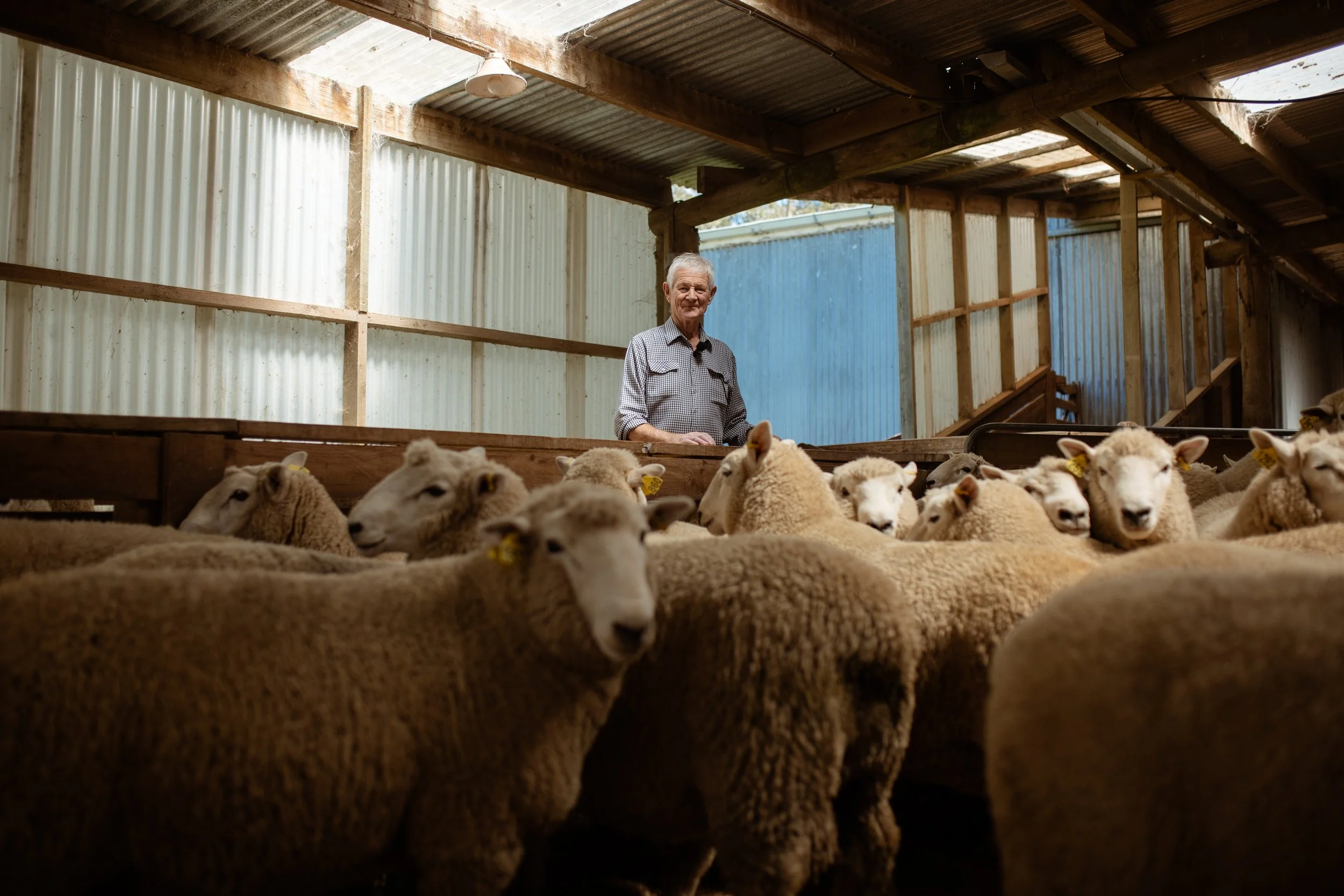
David Ruddenklau
Writer: Carly Thomas
Photography & Videography: Francine Boer
Producer: Francine Boer
David Ruddenklau born 1954
Five Forks
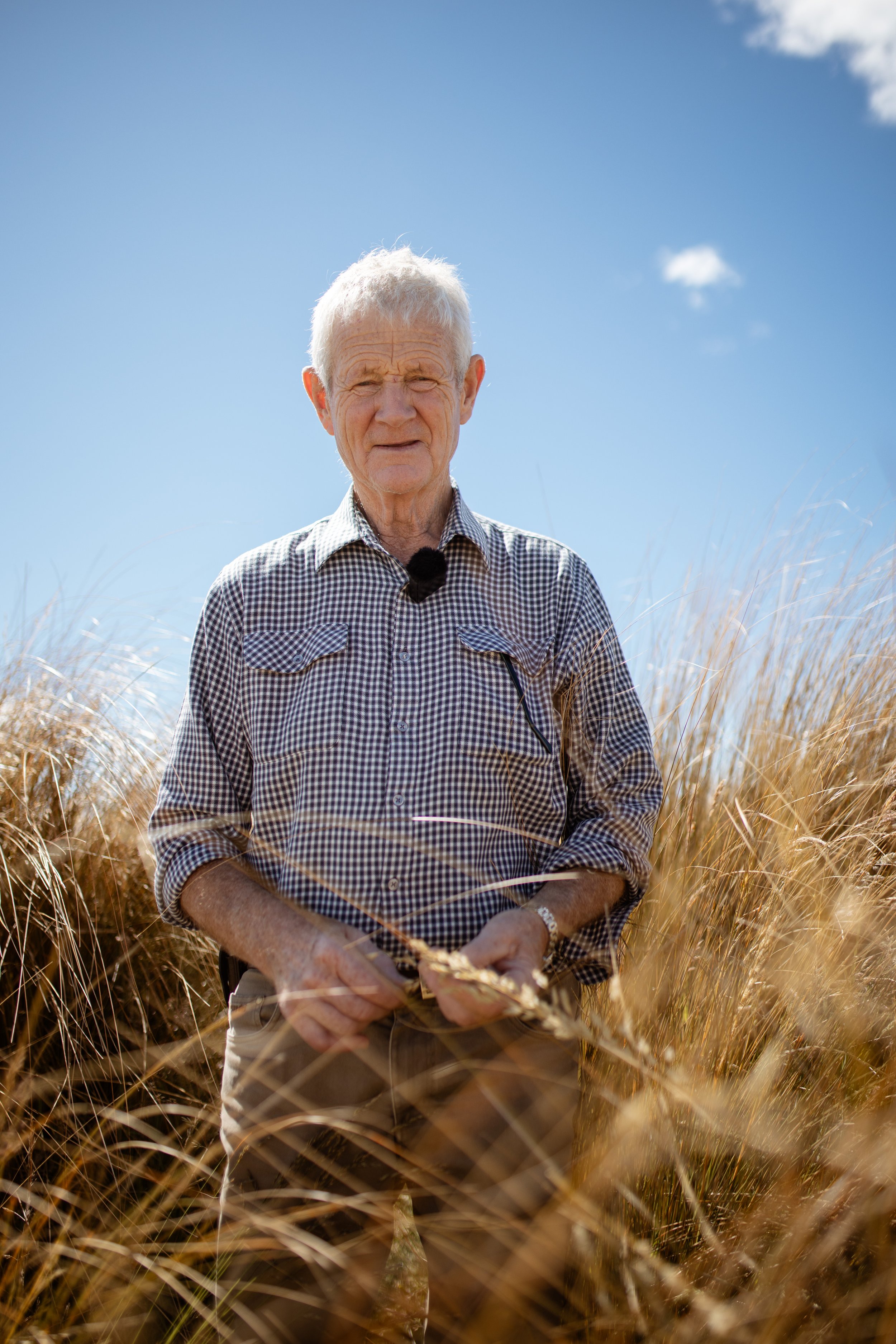
It’s not easy farming in the Kakanui Range in North Otago. But it is easy to love the place with its jagged mountains and seeps of golden tussocks. David Ruddenklau, pioneer of Newhaven Perendales, certainly has a long held passion for the land that has been well-earned.
There are certain people in life who do things their own way even when they are copping criticism. Backs might turn, the word “no” tossed at them constantly but still they forge their own path.
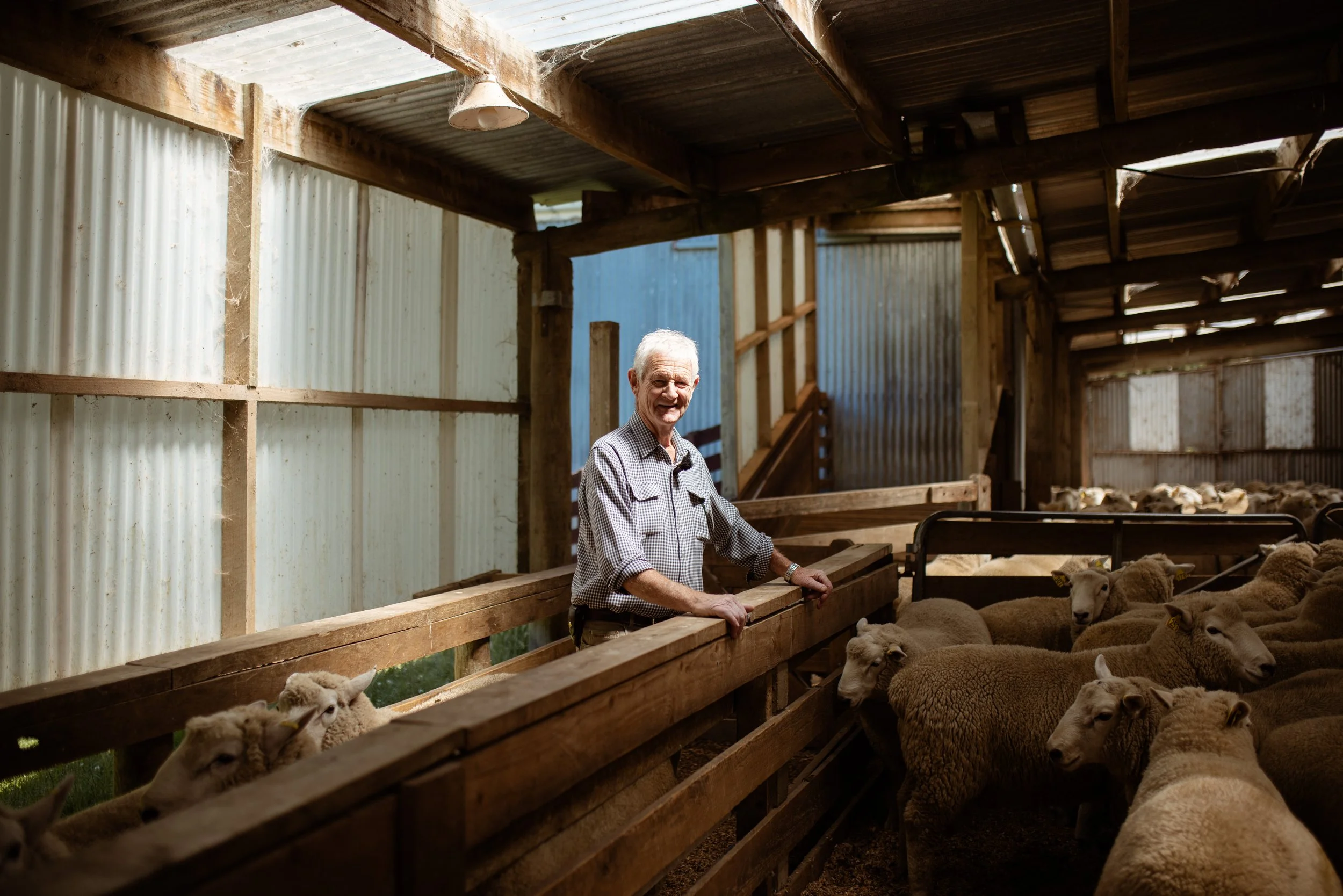
David Ruddenklau is a pathfinder, one of those golden sorts who know which way they are going because they believe in change. The drought years in North Otago left many farmers devastated. All faced hardship and unrelenting difficulties and it was in that time, when many had to give up that David, heels dug deep, stuck to his mission of developing Perendale sheep able to survive and perform in the challenging climatic conditions.
The Newhaven Perendale stud began - as many good things do - with the hint of an idea. David had spent a year studying at Telford, a farm training institute on the outskirts of Balclutha. Apart from having great fun there - after his years at boarding school David says it “was like being let out of prison” - he met students from other areas who had different ideas on farming. The Perendale breed was talked about in particular by the North Islander’s, and while others pigeon-holed the sheep to the north, David could see the benefits of the breed.
“The sheep were performing so well, looking after themselves and you could run a few more per acre because they were efficient grazers. So when I got home I said to my father “I think we should try breeding a few of these”. At that stage we had some very good Romney ewes, they were covered in wool but their fertility was abysmal really and they took a lot of looking after.”
The focus in farming during those years was very much on wool. The prices were good and close to 70 percent of a farm income could come from the fibre. “But they ignored the fertility side of things and so it meant a lot of the ewes were having single lambs.”
Perendales can tough out a drought better than many other breeds and so, even though they have less wool, David could see the advantages. Others did not. “We got a fair bit of criticism from some of the farming fraternity that we were sacrificing our wool income for our lamb income but we felt the Perendale still had a lot to offer.”
Belts were being tightened to breaking point on farms when Roger Douglas, the Minister of Finance at the time, put a curb on subsidies and subsequently interest rates went up. Farms were sold, many farmers were forced to just walk away and the ones who stayed struggled along with large looming debts and very little in the cupboards.
David’s family held on by spending very little and embracing their community. “The most remarkable thing was how they survived those times, both financially and mentally. Some did very well in their careers after they exited their farms and that was a credit to them. When I look back now I do wonder how we ever survived.”
Drought is something David grew up with in Five Forks. He remembers a new teacher at the primary school being confused by the children squashing spiders in break time, “it was an old wive’s tale that if you squash a spider it makes it rain. The kids knew how desperate their parents were”.
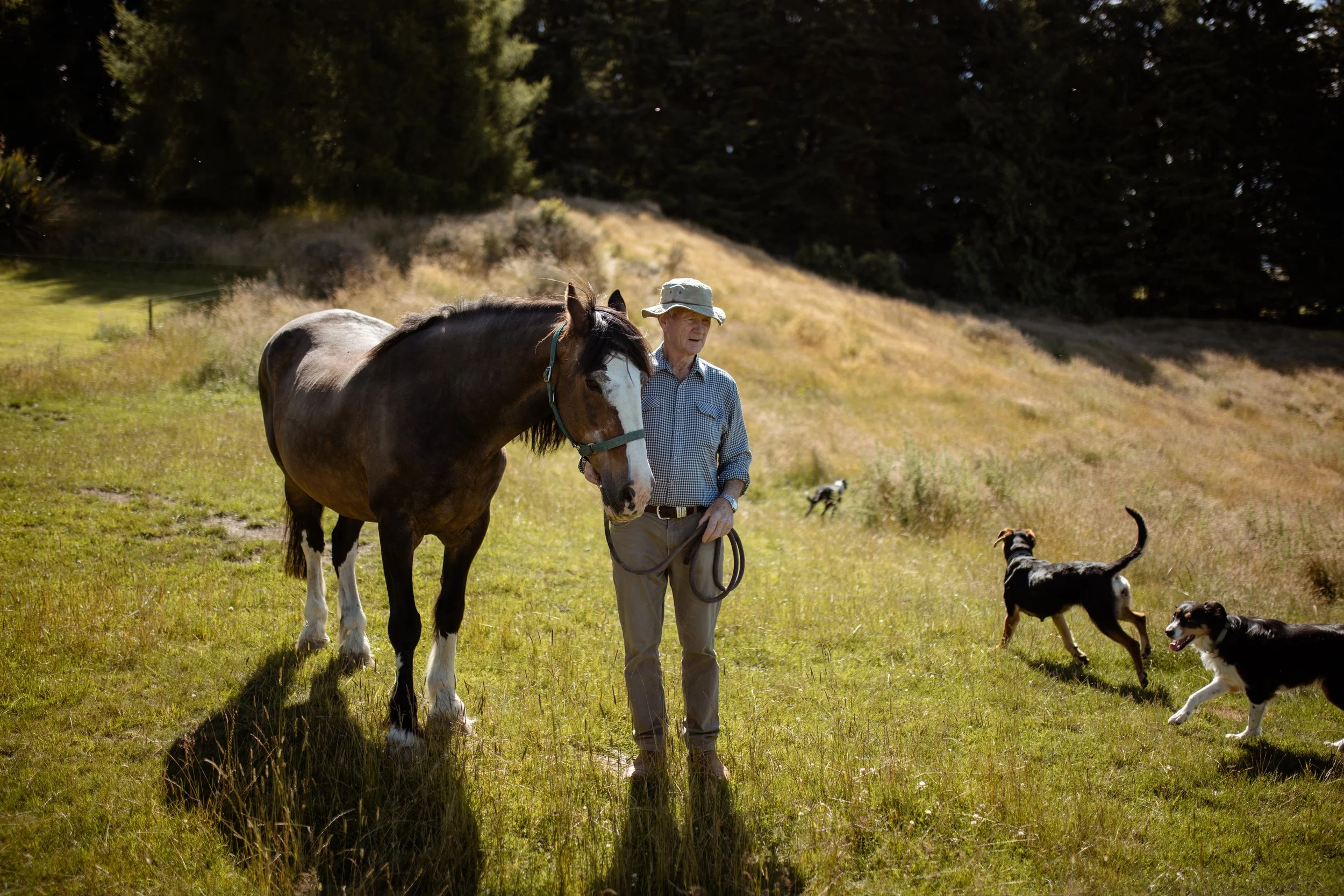
David describes himself as “not exactly a model student. And I certainly wasn’t a number one scholar”. On the farm, out in the hills and on his pony is where he wanted to be. All of the Ruddenklau children learnt to ride a horse very early on and he recalls having great adventures on a little black pony with a jaunty white blaze called Kiltie. “Kiltie would pull a little trolley and we would pull other members of the family around in it. If I got bored I’d canter and do a tight corner so that I was told I was no longer needed for trolley duties”. David chuckles at the memory, humour is another thing he learnt to hang onto in the tough times.
Another great horse in David’s early life was Blaze. He was one of the first horses David broke in and Blaze became a horse he could ride without a bridle or a saddle, “I could just climb on and steer with my knees”. Blaze lived well into his 30s, a ripe old age for a horse.
“I would on occasions go to the Haast Pass to Landsborough Station to help them muster there. We were obliged to wear life jackets because we had to swim the horses across the Landsborough River so that was a whole new learning curve having a horse that was able to swim and stand up to the strong currents of those West Coast rivers. Big days and bigger nights!”.
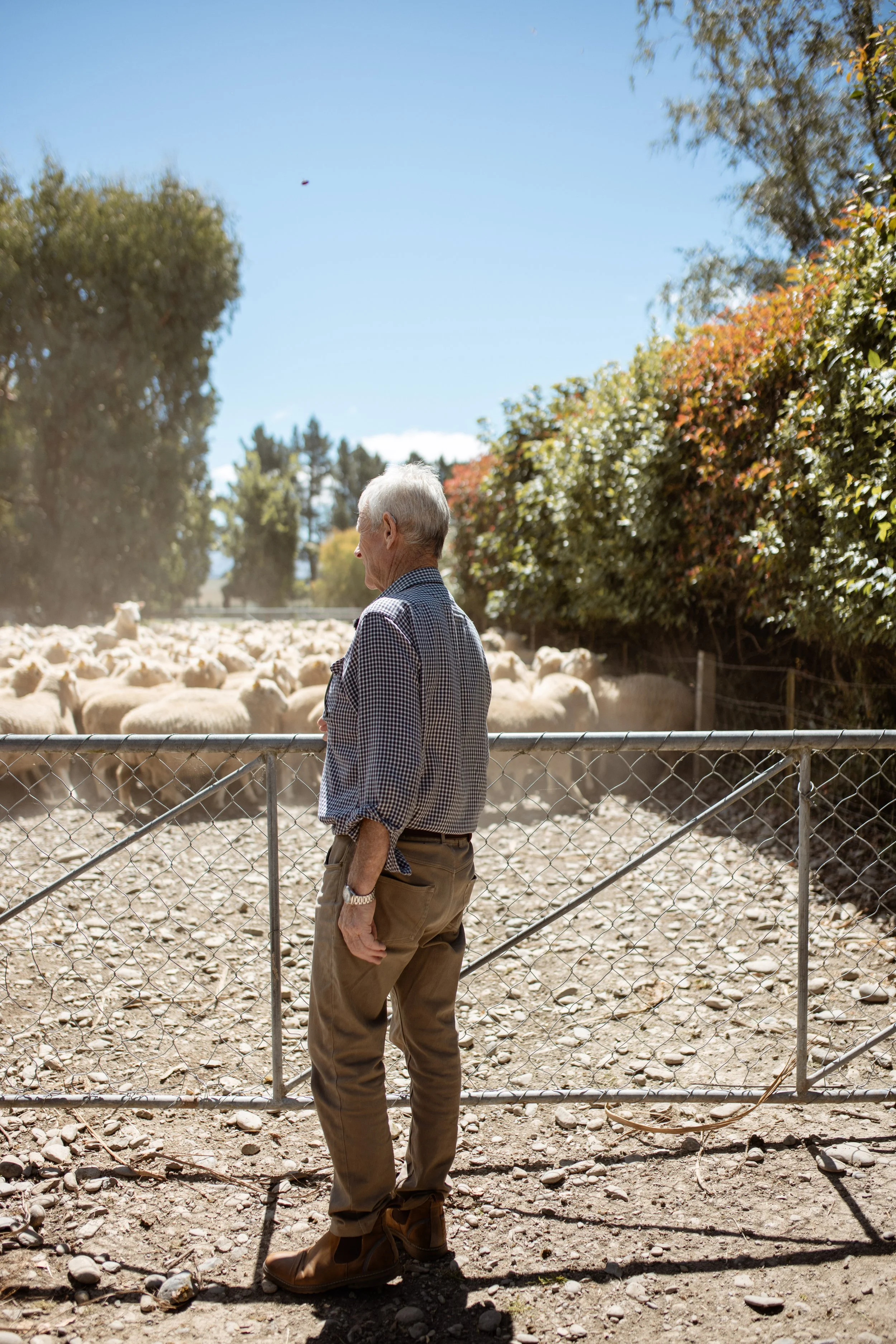
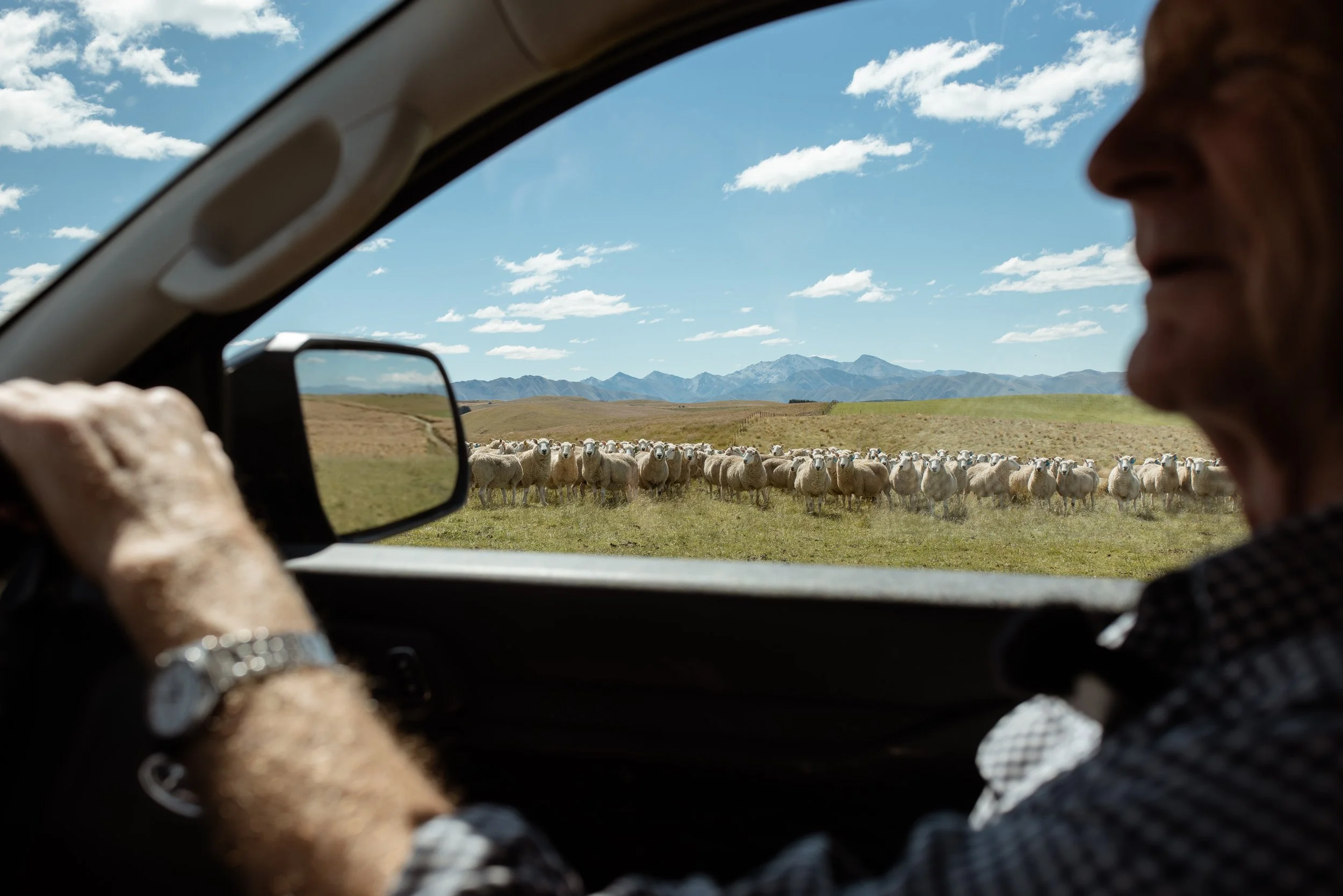
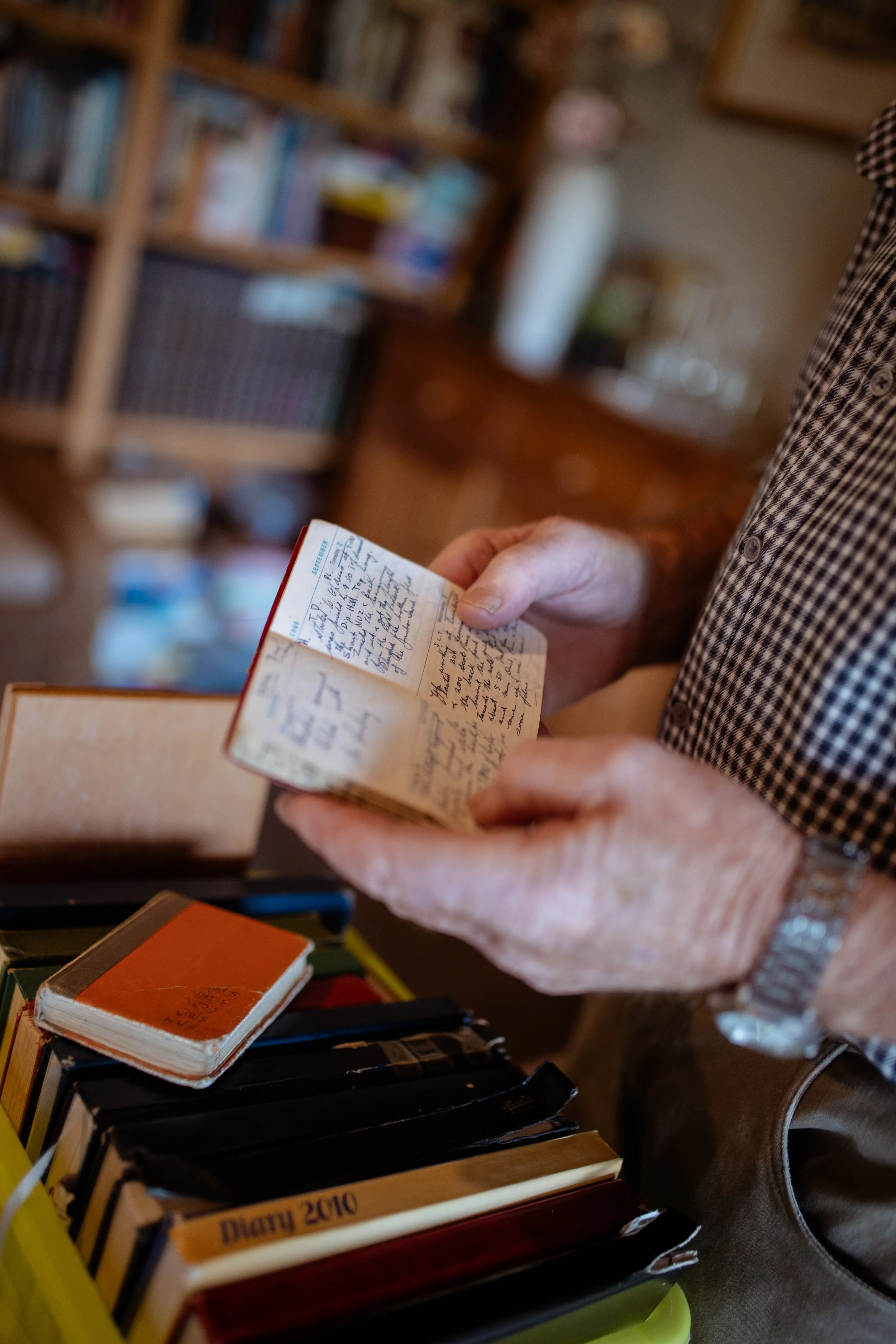
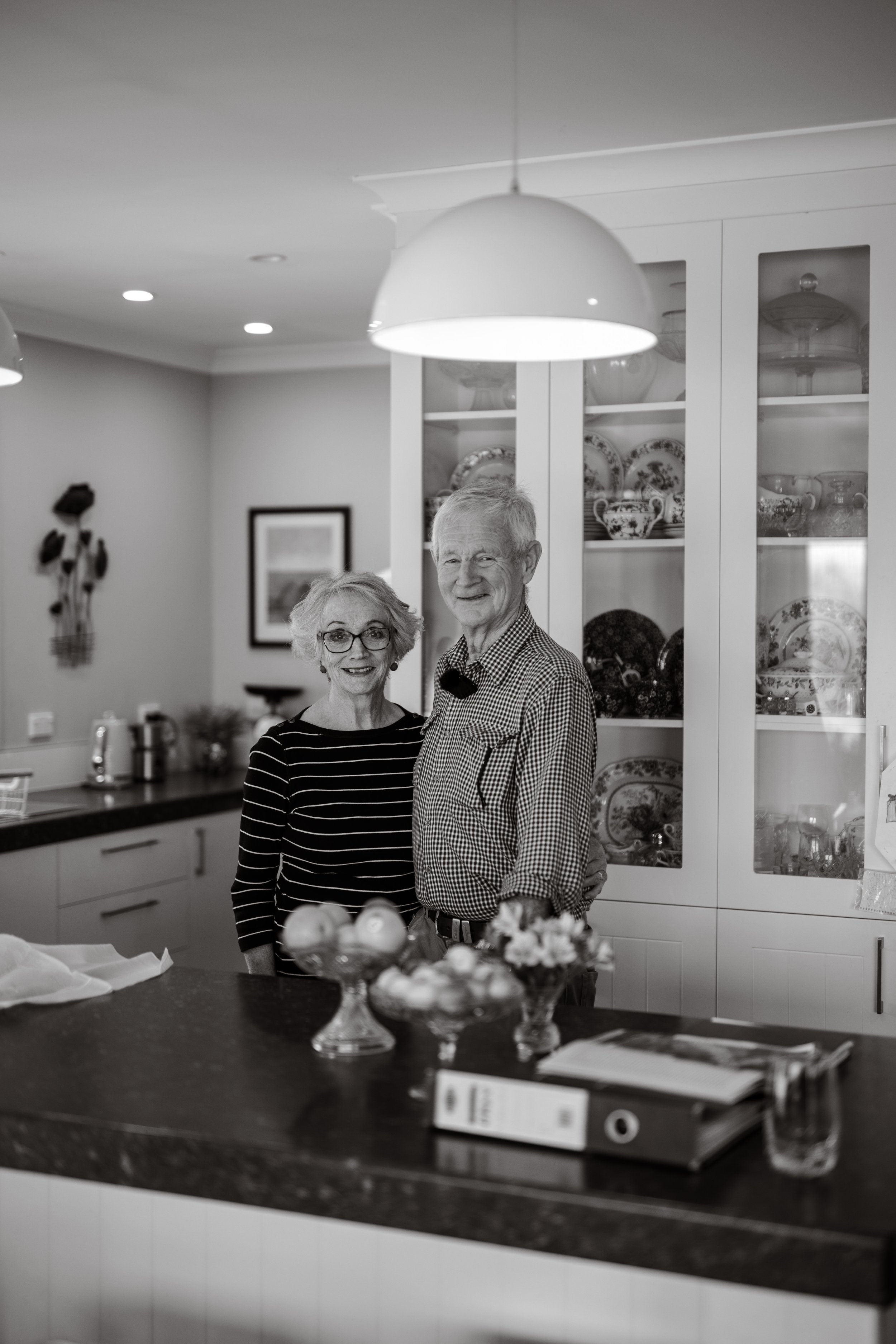

The Five Forks farm was David’s whole universe, until he went off to board at Waitaki Boys High School, and he loved every task he was set. He remembers being proud as punch to be taught how to drive a tractor at age 12 and getting to take on some responsibilities. Covered in dust was how he happily spent many a day, “and we only had one bath a week. That bath would be very soupy!”.
Fun was found in the hills and the trees and one pastime was bird nesting. The local county council paid for the collection of bird eggs to discourage thrushes, sparrows and blackbirds from destroying crops. So not only did it earn the local kids some coin but it was the perfect weekend adventure. “When we got 100 we would take them into the county council office and they would give us 10 shillings. We weren't supposed to bring in starlings eggs because they were deemed useful for grass grub control but boys being boys we discovered if we brought some Indian ink you could speckle a starling egg and subtly turn it into a thrush egg. So that was quite enterprising,” David grins, the sheenaagins of his youth still fresh in his mind.
Great heights were climbed for the treasure and when found they were popped in the mouth for a safe descent. Mishaps happened of course. “I can recall once when I had gathered a magpie egg up. I was coming down and as I jumped the last bit I caught my chin on a branch and smashed the magpie egg. It was rotten and I can assure you I was dry retching for half an hour afterwards. That was just part and parcel of it. How we didn't get sick from the eggs I have no idea. Or maybe we just had such a high immunity.”
It was the best of childhoods and the parents in the community were pretty good at shielding their kids from the close-to-the-bone struggles. There was plenty of hard work disguised as play and shearing, seeding, harvesting and haymaking times were a community activity. The money wasn’t there to pay people to come in, so the locals rallied together forming their own workforce.
When David left to further his farming education, he knew he would be back, there was no doubt in his mind. But first there were a few adventures to be had and a broadening of horizons to be embarked upon. He went over to Canada on a Young Farmer’s exchange and worked on a large cropping property that had been broken out of bush country.
“Part of the reason I chose to go to Canada was because my late father trained as a pilot in Canada and he spoke very nicely about the Canadian people. It was good fun and we immersed ourselves with the local community.”
Austria was David’s next stop where he worked on a very different kind of farm for several months. “It was very intensive with concrete grating and the stock were housed in buildings. That was interesting. They were on the bottom floor, my bedroom on the second storey and the chickens were on the third storey.”
During his travels David was taking it all in, interested and excited about the different ways of doing things. And he says he was exposed “to new environmental demands that we weren't seeing in New Zealand at that time. The intensification of stock, the growing of sugar beet and the sheer intensity and diversity of what could be done.”
And it was with that inspiration that David came home even more fuelled up to continue with his idea of breeding Perendales. The first lot of lambs had been born while he was away and it was time to test the market. The stock agents scratched their heads when David was ready to sell a few, “I was told that Perendales belong in the North Island and that's where they should stay. They weren’t interested.”
David got on the phone and ended up selling the first lot to locals. It was a slow start but David persevered. “It was disappointing probably for the first 10 years of ram selling. We did face quite a bit of criticism, but we also got some encouragement from breeders and farmers and they started to slowly infiltrate into the South Island once we saw how they could handle droughts.”
Alongside his wife Robyn, David grew the Newhaven stud and in 1987 they won the Supreme Champion award at the Royal Show. Ironically, this was a very tough year for farming and their drought resilient breed stood out.
The stud now has the next generation fully involved with David and Robyn’s daughter Jane running the stud with her husband Blair Smith. David and Robyn’s legacy is carried on the families shoulders and the land carries it too - In David’s time 150,000 trees were planted in very dry conditions. An absolute labour of love. David’s ‘Newhaven Nil Drench’ regime is still used, which he pioneered in the early 1990s, well before drench resistance was on anyone's radar.
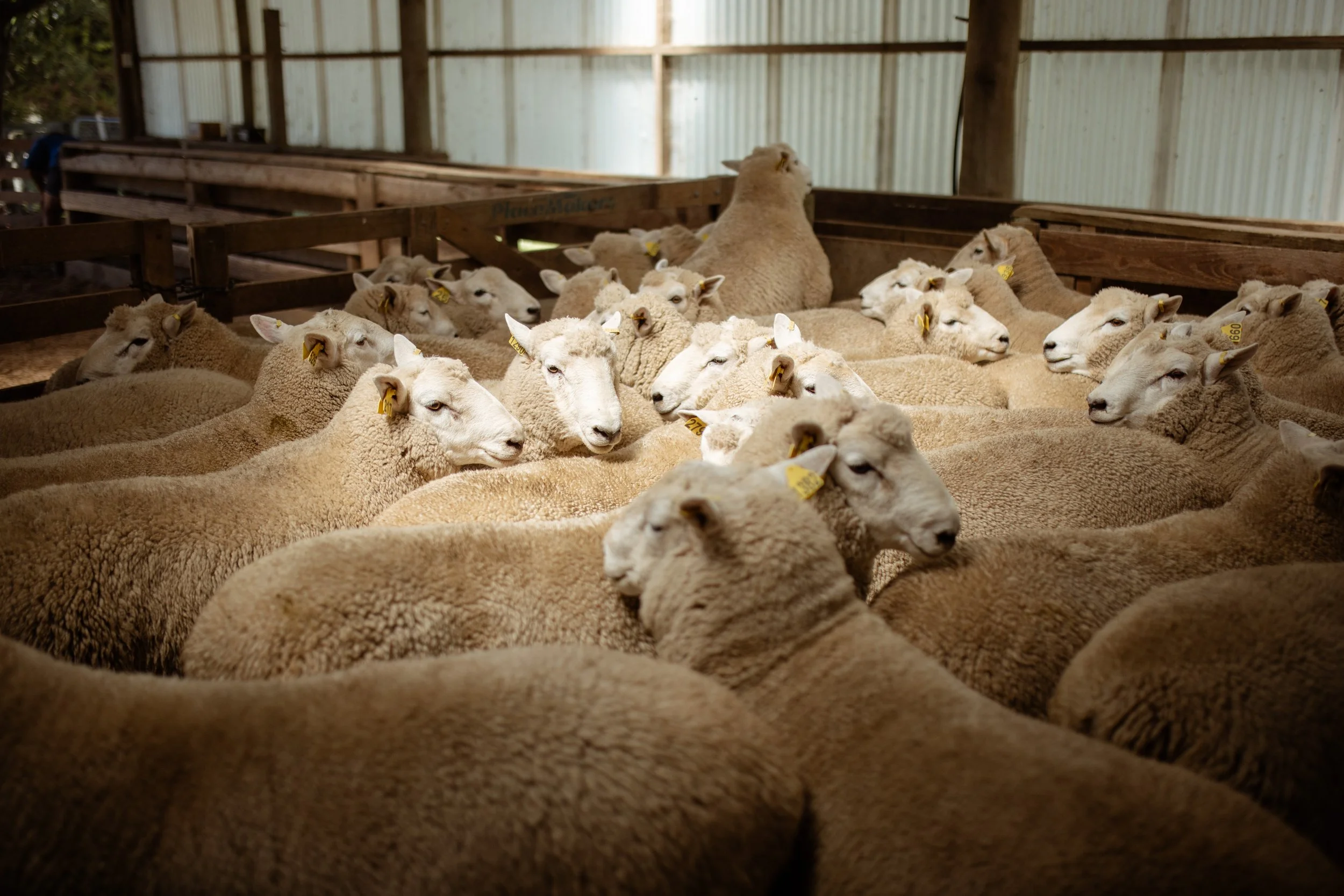
The demand for Newhaven’s genetics is high now and the Perendale stud flock stands at around 2000. There is very little persuasion to get farmers onboard needed these days. David’s vision got him and his family a long way. It was perhaps the early exposure to struggle and the subsequent belief in community that gave David a certain talent for looking beyond the cloudless skies.
He knows not to religiously listen to the weather and he knows to look beyond the dust of a drought to better days. A pathfinder through and through.